

‘Form follows function’- a mantra parroted by interior designers for the past 120 years was coined in the 19th century by Louis Sullivan, the American architect, in his famous article named ‘The tall office building artistically considered.’
Since then, the phrase ‘form follows function’ has followed in the schemes of those shaping living space. The most successful professionals have a deep understanding of the relationship between form & function and how the concept of form dictates the process. But exactly what is form in interior design?

Basic Elements of Interior Design
Before discussing what is form in interior design, you need to learn the basic rules to build better, and that only comes with understanding what makes each part of an interior design special. Your home is your private refuge, a place where you can retreat and be yourself. That is why everything has to be just right: form, color, light, line, pattern, texture, and space, the seven elements of interior design.
Read also – Interior Design Basic Concepts, Elements and Principles
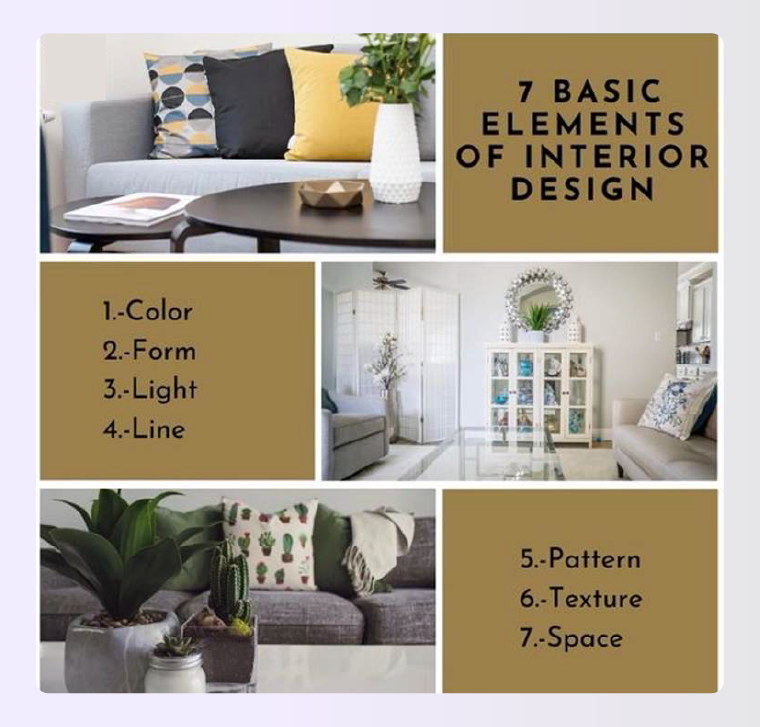
- Color is the use of different values of color to produce patterns. These patterns can be in sets or used individually.
- Form is the indication of three-dimensionality by the sculptural use of two-dimensional shapes that interact with textiles, lighting, and all other design elements.
- Light is an illumination that comes from a lamp or a window. It can be direct, indirect, or reflected light. Fixtures such as a flush ceiling light, a gatsby wall sconce, or a glass baffle pendant each shape how light interacts with form in a space. Affordable designer lighting allows designers and homeowners to explore this relationship without a large budget.
- Line is any mark on a surface that divides space into two or more areas to create a visual pattern that creates form. Dynamic lines add energy and movement, while the line can also be used to separate one area from another by creating borders for rooms in the design being examined.
- Patterns created through these lines create specific color and lighting values around each area that can be separated from another area as well as define it as part of a larger whole in an interior design environment.
- Texture can provide variety via repetition of common elements within spaces or across spaces and their boundaries, creating accents and defining different areas of an interior design space within the overall integrity of the design concept.
- Space refers to the use of undivided space or the use of multiple spaces, which form the focus for the overall interior design.
What Is Form in Interior Design?
The form in interior design is an element of art and the backbone of any design project. It creates an external impact on things like patterns, colors, and textures, and underpins every design decision made throughout a project.
To put it simply, form in interior design is broadly referred to as the three-dimensional outline of a thing or an object enclosed inside. It is not the thing in itself, but a representation in space and three dimensions.
Creating form in interior design is what interior designers do, drawing from a huge range of shapes, color schemes, materials, and textiles to produce original or delicate forms. The concept of form in interior design includes:
- Length, breadth, height, mass, and even volume of the room
- Existence of light and dark: the presence of shades and shadows on the face and surface of objects, defining the structure of objects within the space
Let us see how many types of forms in interior design there are and how form follows function in the interior design process.
How to Use Form in Interior Design
Knowing what is form in interior design and how to use it, can transform any ordinary space into a thoughtful, purposeful, and functional environment. Here are five tips to guide your approach:
- Use geometric shapes and distinctive shapes to define structure and create a sense of order and visual interest across any room layout.
- Layer organic shapes with dynamic lines to add contrast and visual appeal, preventing spaces from feeling rigid or monotonous.
- Study different signature styles from designers like Anouska Lancaster and Charles Rennie Mackintosh to develop a deep understanding of form’s versatility in interior design.
- Leverage negative space deliberately, as empty areas surrounding objects define form just as powerfully as the objects themselves do.
- Use architectural details and vertical lines to direct the eye toward a focal point and reinforce the room’s overall design narrative.
Example of Form in Interior Design
Form in interior design is visible in a living room where a curved sofa, round coffee table, and organic curves in the rug use different shapes to build a cohesive, welcoming space with balanced visual appeal.
A minimalist bedroom featuring geometric forms is another strong example. A bed frame with straight lines, a rectangular wardrobe, and a table shape with sharp angles create visual interest through intentional repetition of unique shapes across the entire layout.
Read also – How To Choose Materials for Interior Design?
Types Of Forms In Interior Design
Form in interior design comes in four distinct types, each shaping how a space looks, feels, and functions daily.
- Inorganic or Geometric form: It gives a clean and controlled look. It is artificial and uses geometric shapes and designs to give a modern, sophisticated, and elegant look. It makes use of non-living forms.
- Organic form: It is more inspired by nature. They do not have exact patterns and dimensions, giving it a natural look. Organic forms and organic curves are common in a cottage bedroom or a Cotswolds cottage bedroom style in an English country house, where soft, nature-inspired shapes dominate the aesthetic.
- Open forms: These are the outlines of objects in the home design that can be seen with the naked eye. For example, a showpiece.
- Closed forms: These are the outlines or forms that are not visible to the naked eye. For example, closed forms like a wooden cabinet in your living space.
Before we get into why it is important that form follows function, let us understand what exactly the meaning of function is in interior design. The function essentially means laying out the open-plan clearly according to the intended functionality of the place rather than focusing just on aesthetics or ornamentation.
For example, a kitchen is placed adjacent to the dining area to ease the movement of food. It must also account for domestic appliances to ensure everyday use is practical and efficient.
Now imagine, if the dining area is on one floor and the kitchen is on another, how cumbersome the process of setting up the table will become every day. Even if you have the most beautiful kitchen in New York loaded with modern accessories, this mere design mistake will rip off the whole charisma of your house, wouldn’t it? Thus, the functional requirements of the space dictate the form in interior design. So yes, it is important that form follows function.
Read also – Accessories in Interior Design
8 Reasons Why Form Follows Function In Interior Design
Understanding form in interior design means recognizing that function must serve daily life first. Here are eight compelling reasons why this principle truly matters.
1. Does not clutter the space
You should invest in home decor wisely and only purchase the pieces that add to the usability of the space. A thoughtfully placed gallery wall adds personality without overwhelming the room, while forms of square cushions on a sofa can reinforce the geometric theme without adding visual clutter. Adding extra showpieces or rugs might be unnecessary in the living room. While a showpiece can spruce up the space instantly, keeping multiple showpieces can make the space feel crowded.
2. Makes it liveable
Now imagine if you have a habit of waking up every morning and going to the kitchen first. But if your kitchen is placed far from your bedroom, you might not find it comfortable doing this every day when you wake up. You would not want to continue living in the same home.
Read also – 9 Amazing Master Bedroom Ideas
3. Makes the property more valuable
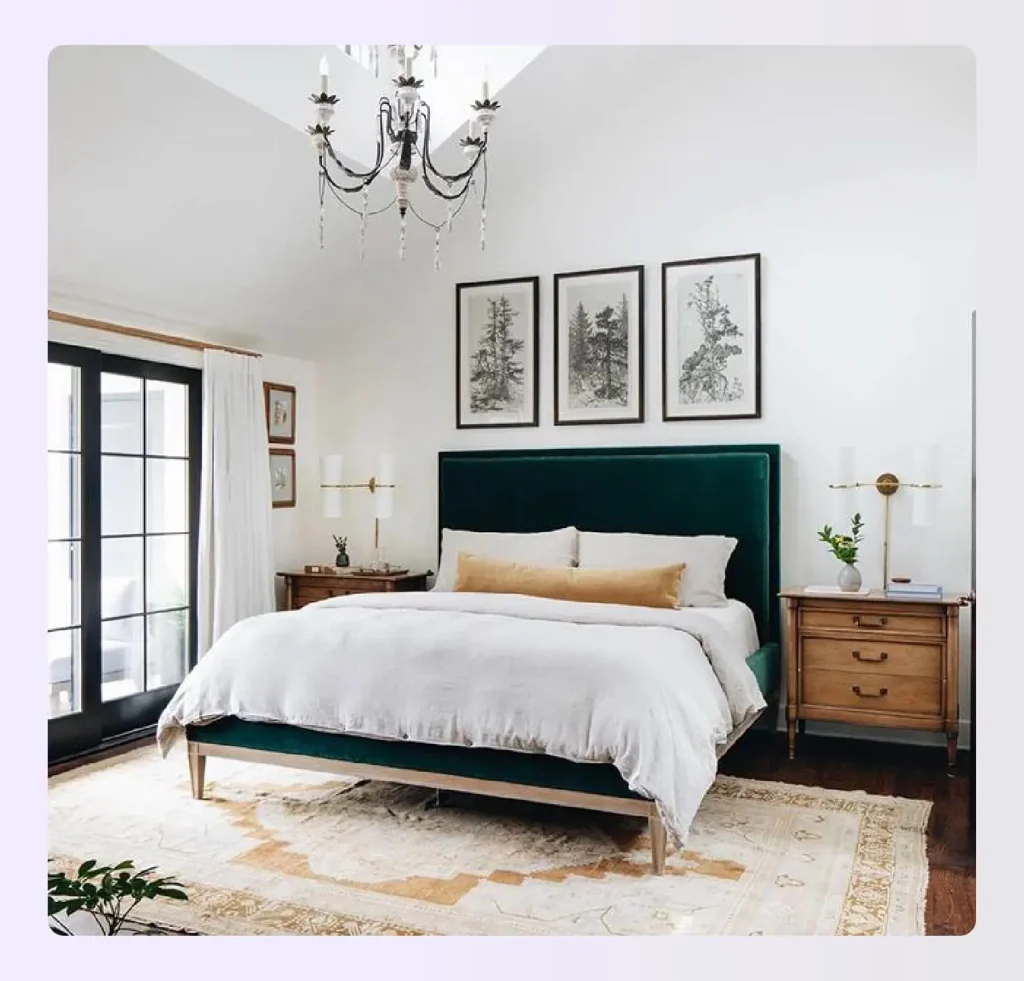
Creating properties having functionality and not just aesthetics adds more appeal to the buyers. A property that has a well-thought floor plan and aesthetics that meet the functional requirements of the space act as value pushers in the market.
4. Functionality remains unchanged with time
The aesthetics or ornamentation of the property keeps changing with the changing times. However, the functionality of the space is unlikely to be changed so easily. So focussing on the functionality of the space rather than on accent pieces will add more value to your property.
5. Makes the space usable
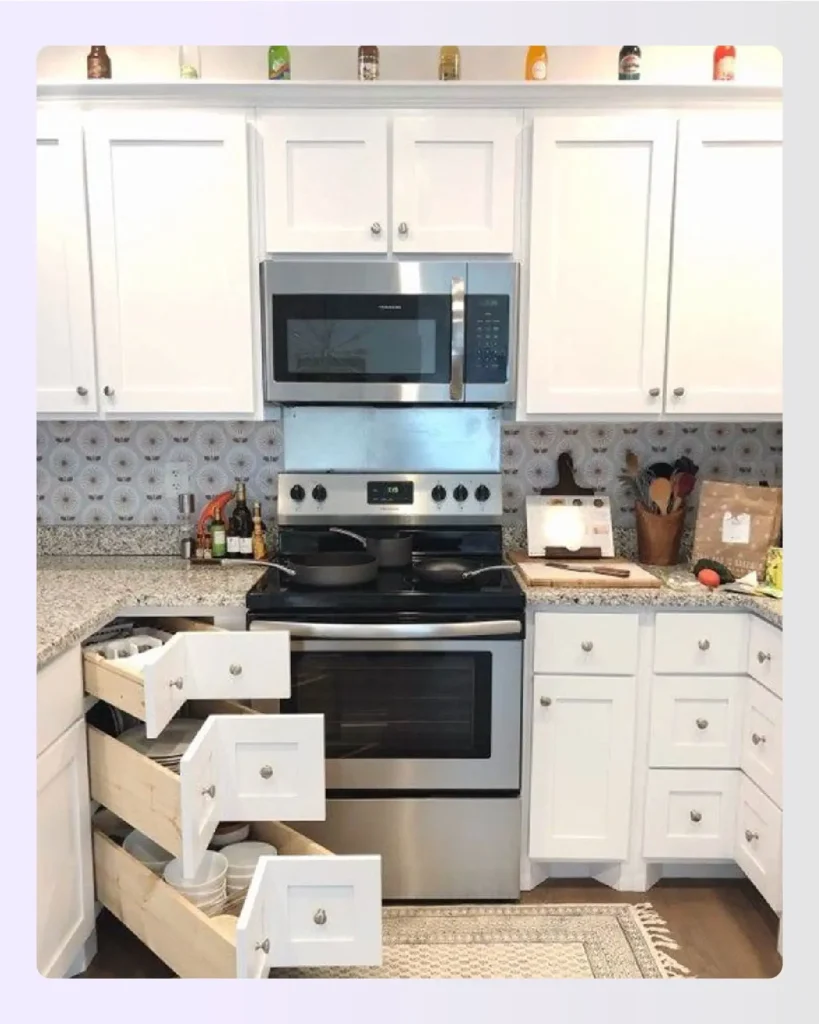
Imagine you have a kitchen that is not efficiently designed; for example, if you have wall cabinets not designed for your height, then storage and everyday cooking will become a hassle.
6. Makes movement efficient
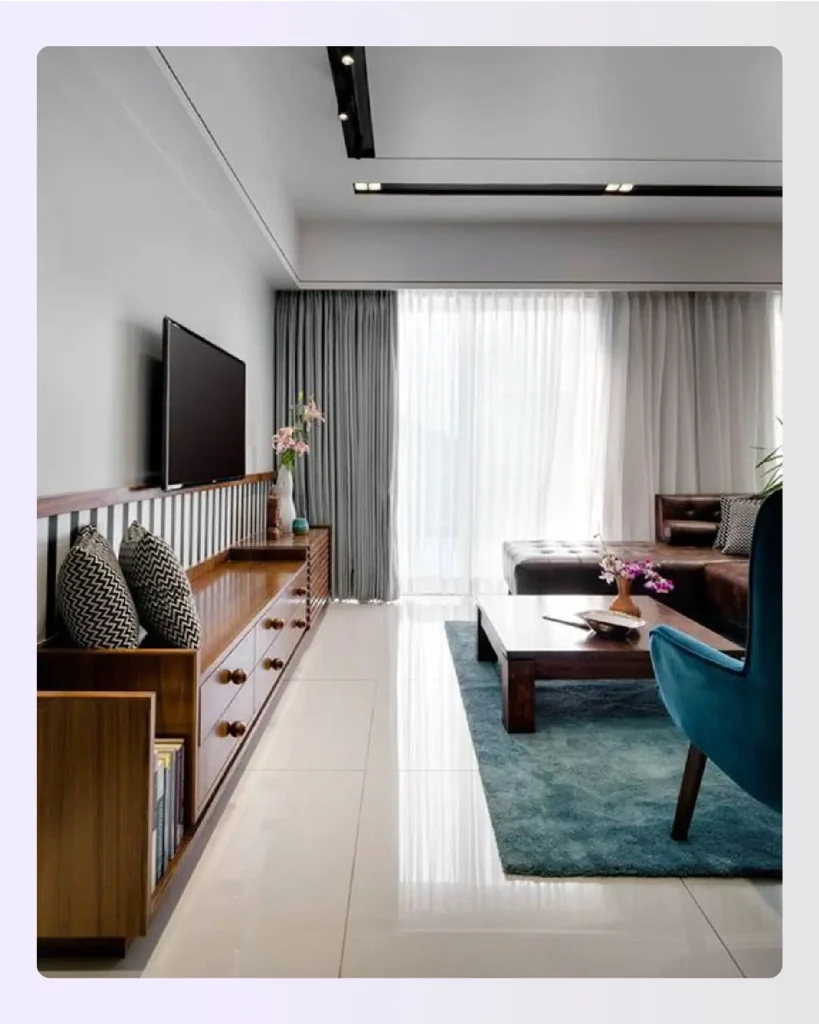
The living room is probably the most used room in a home. If your living room is crowded with furniture or showpieces so much so that it gets in the way of you walking around, it will make it difficult for you to move efficiently in your living room without hurting your toe.
Read also – 14 Best Living Room Interior Design Ideas
7. Saves money
Focussing on functionality rather than making the place pretty can help reduce the expenditure on unnecessary ornamentation.
8. Makes it appeasing to the visitors
If you are designing a home wherein the dining room would be used for playing board games with your friends, then you would naturally need a bigger dining table. Such a setup would not only help the host in accomodating the extra people, but it will also make the guests feel welcome.

How to Prioritize Function Over Form in Design?
The space you design is like a blank canvas to you. As an interior designer, you decide what goes where to make the space usable according to its functional requirements. Sometimes your desire to create the perfect aesthetic can get in the way of its function. Let us see some practical tips and interior design tips on how to prioritize function over form in interior design.
1. Begin by creating the functional floor plan and build from there on
For example, if you are designing a house, start by carefully laying out the functional floor plan taking into account the positioning & sizing of the rooms like living room, kitchen, bathrooms, bedrooms, etc. Then start by carefully choosing the home decor. Choose a piece of furniture if it fits your usage. Do not buy a sofa if it cannot accommodate a sufficient number of people no matter how good it looks.
2. Pick the pieces in order of importance
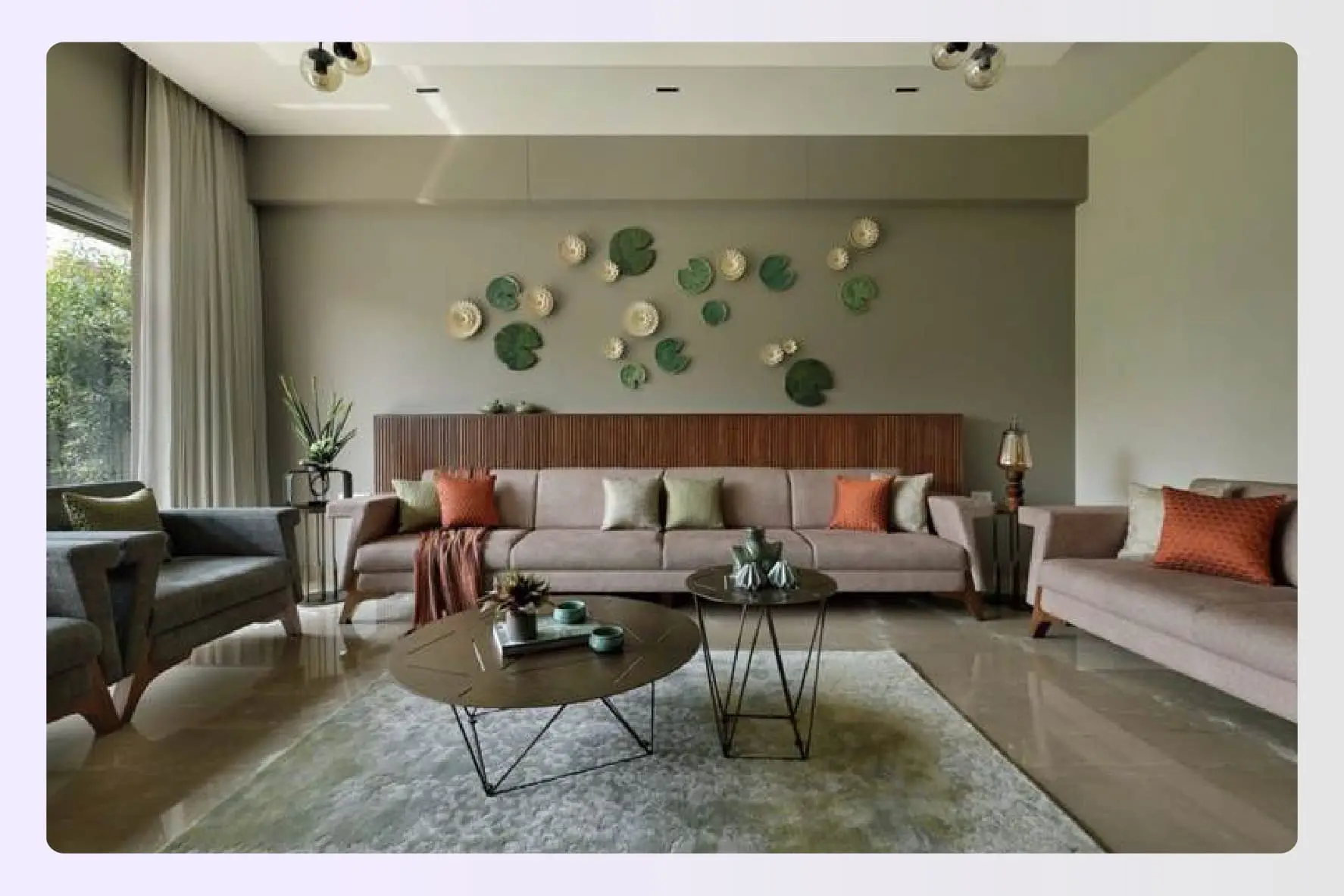
Remember the ‘form follows function’ rule to decide what is important. For example, finding the right furniture for the living room can be tough. If you watch television with your kids, seating becomes a top priority. Maybe you want a small reading nook for curling up with a good book.
Or perhaps you want a spacious look that’s ideal for entertaining friends. Overall, creating the perfect living room comes down to choosing the pieces that best suit your family and lifestyle – so the conversation doesn’t stop when everyone’s feet hit the floor.
Read also – 20 Best Furniture Brands To Upgrade Your Home Interiors
3. Be detailed in your planning
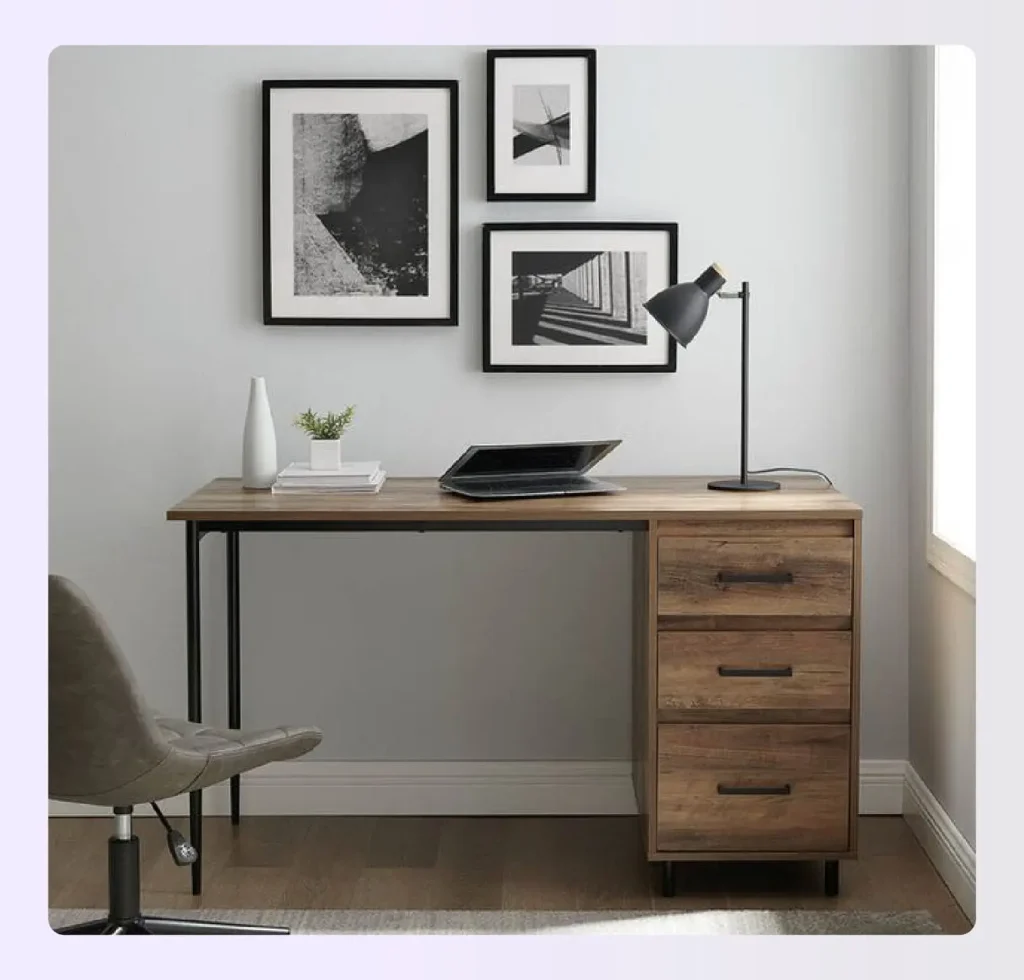
When you are deciding on a piece of furniture, check what texture, size, and material it should be. Go as granular as you can. For example, when choosing the best chair for your space, check how comfortable it is to sit on and whether it offers enough support.
Charles Eames famously understood this, drawing on the ergonomics of car seats to design his iconic lounge chair, which became a foundation of ergonomic design in modern furniture. When choosing a dining table, check how many people it can accommodate or when choosing a desk, check if it is able to fit your work style.
Read also – How To Choose the Right Fabrics for Interior Design?
4. Be considerate about cost
Anything valuable need not always be costly. While planning a space, decide if a piece of furniture or any other home decor item is needed to align with the form follows function principle. Interior decoration should not be burning a hole in your client’s pocket. Thus invest more intelligently in the items that are needed and will be useful in the long run as well.
Balance Form and Function with Foyr Neo
Now that you know what is form in interior design, it is crucial to understand how Foyr Neo can help streamline your design process.
Foyr Neo is an AI-powered interior design platform that gives interior designers and homeowners complete control over form in interior design. From spatial design and floor space optimization to furniture placement and 3D rendering, our interior design software streamlines every step of the design process with ease.
Here are the key features of Foyr Neo you must leverage:
- Drag-and-drop room planner for quick layout experimentation and use of form in any space
- Real-time 3D rendering to instantly visualize the silhouette of furniture and visual weight of every piece
- Extensive asset library offering a full range of lamps, furnishings, and creative commons assets for every style
- Smart floor space planning tools to map every room and living space with precision and clarity
- Collaboration features for interior designers to share and refine design concepts with clients seamlessly
Start your 14-day free trial of Foyr Neo today and discover how easy it is to create beautiful rooms where every design decision around form and function comes naturally.
FAQs
What is the difference between form and shape in interior design?
Shape is a two-dimensional outline, such as a circle or square. Form in interior design, on the other hand, refers to the three-dimensional version of that shape, such as a sphere or cube, giving objects mass, volume, and depth within a space.
How does form affect the mood of a room?
The concept of form directly influences how a room feels. Rounded and organic forms create a soft, welcoming atmosphere, while sharp angles and geometric forms can make a space feel more structured, modern, or energetic.
Can form be used to make a small room look bigger?
Yes. In a small room, using low-profile furniture with clean lines, maintaining negative space, and choosing pieces with lighter visual weight can help the space feel more open and less cramped.
What role do vertical and horizontal lines play in form?
Vertical lines draw the eye upward, making a room feel taller, while horizontal lines tend to ground the space and make it feel wider. Both contribute to the overall form in interior design and the spatial design of a room.
How do interior designers choose between geometric and organic forms?
Interior designers consider the client’s vision, the room’s purpose, and the key elements of the overall style. Geometric forms suit modern and minimalist spaces, while organic forms work better in eclectic or nature-inspired interiors. A thoughtful blend of distinct types creates the most dynamic and beautiful rooms.