

Interior design is one of the most creative, exciting, and glamorous professions. However, do not be fooled; you must be willing to put tremendous effort and hard work into your craft. If you spend your waking hours dreaming about designing beautiful spaces, maybe it is time to turn your dreams into reality!
Interior design is a challenging job, and if you sincerely want to make it, you must pour your heart and soul into your profession. In this article, we will explore some of the common traits of successful interior designers and discuss tips to ensure career stability.
In this article, we will explore some of the common traits of successful pros and discuss the specific interior design skills you need to ensure career stability.

Read also – How To Start An Interior Design Business?
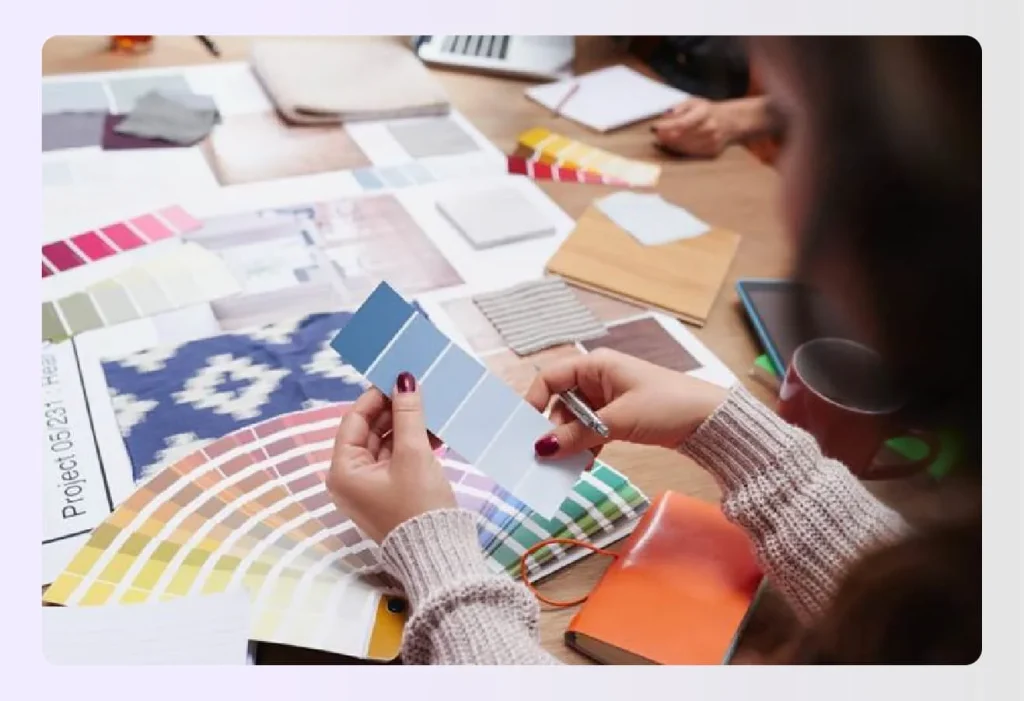
Skills Required to Become an Interior Designer
Before we jump into the tips, let us look at the top qualities and interior design skills required to become a successful industry leader.
1. Creativity and Attention to Detail
As an interior designer, you must be inherently creative. Creativity is something most designers are born with and subsequently hone and polish over their professional life. The skill is a must in this line of work since interior designers need to have an eye to visualize the potential of dull, boring spaces.
To supplement creativity, interior designers must also pay attention to detail; it distinguishes a good designer from a great one. Master these interior design skills, and you are halfway there.
Read also – What Does An Interior Designer Do?
2. Critical Thinking
Interior designers must objectively analyze issues all the time, from dealing with challenges in construction and remodeling to renovating, flipping, or working with a blank slate.
Successful designers constantly reflect on their existing knowledge and use it to create practical, functional designs. Critical thinking is essential because you must think on your feet, especially while pitching ideas to potential clients. It is one of those interior designer skills that saves the day when plans go sideways.
Read also – Mindset and Habits of Successful Interior Designers

3. Trend Following
Trends constantly sweep up the world. Today, following trends has become easier with the advancement of social media.
You are required to keep up with the latest design shifts and industry insights so you are always a step ahead of your clients. Following trends also helps you find alternate, creative ways to scale new heights professionally. Keeping your finger on the pulse is one of the most underrated interior design skills.
4. Computer Skills
It is a must to have basic computer skills in the digital age. As an interior designer, you need to know how to use the right design software to create mock-ups or 3D renderings of your designs.
Sign up on Foyr to learn more about how such software can enhance your overall skill set and boost your interior design skills instantly.
Read also – Best Computer for 3D Modeling and Rendering
5. Certifications
Alongside following your passion, it always helps to become certified or licensed. Obtaining an NCIDQ or equivalent certification ensures your clients take you seriously and appreciate your commitment to your profession.
To successfully run your interior design firm or small business, most clients will want to see your portfolio and work experience. You must showcase it to your clients if you have a specific specialization, such as creating spaces using sustainability practices.
As a new designer, it can be overwhelming to undertake space planning. However, you can quickly rise to the top in the design industry with the right ideas and polished interior design skills.
Read also – How To Get The Interior Design Certification?

15 Tips to Become a Successful Interior Designer
Are you ready to become an interior designer who makes heads turn? Here are 15 tips to help you master your interior design skills.
1. Know the History of Design
As an interior designer, your clients will expect you to know everything about style and its various forms. Clients will test your knowledge, whether art decor or sleek modern architecture, especially if they know what they want.
What if your client wants you to emulate a traditional design in a modern way? Knowing the history of specific art styles and designs can come in handy. After all, you will understand a subject thoroughly only if you know its foundation.
Read also – 10 Most Popular Types of Interior Design Styles
One of the biggest qualities of a successful interior designer is knowing how to judiciously use a space. Spatial awareness comes from the experience of creating art out of the available space. Exceptional interior design
2. Inculcate Spatial Awareness
ers know how to make good, functional use of limited space; their spatial awareness helps them create higher functionality and extract the most out of a given space.
3. Have Awareness and Knowledge of Sustainability
Good designers know how to create functional and beautiful spaces; great designers know the art of practicing sustainability and integrating eco-friendly practices into their designs. More and more clients want sustainable features in their homes.
Interior designers must have the requisite information regarding the technology and features to convert a regular home into a sustainable one, to meet their clients’ needs.
Read also – 9 Best Sustainable Architecture Design Ideas
4. Polish Your Communication Skills
Interior designers often interact with thousands of people on a single project! From vendors and construction workers to stagers, brokers, agents, and in-house teams, besides clients, good interior designers need to have excellent communication skills so that all the involved parties are on the same page regarding the project progress.
5. Develop Your Organizational Skills
In line with good communication, interior designers need to be constantly organized to complete their projects within the stipulated deadlines and budgets. The only way to meet client expectations is by honing efficient organization skills.
Read also – Highest Paying Interior Design Jobs
Diversity in style is the cornerstone of long-term success. As an interior designer, you may have come across multiple clients who
6. Embrace Diversity
have a different view than yours. Some clients may expect you to emulate their thoughts and execute them into functional design.
To do this, you must learn how to embrace a diverse range of styles, even those that may not be up your alley. For example, if you specialize in minimalism, but your client wants something loud and bright, you will need to accommodate their needs adequately. This flexibility is key to your repertoire of interior design skills.
Read also – 10 Best Client Management Tips for Interior Designers
7. Take Inspiration From Everything
Inspiration is everywhere, offline and online. Good designers love indulging their senses in things around them. Whether visual aesthetics or vibes trigger creativity for you, it is crucial to be open to inspiration, no matter when, where, and how it comes!
8. Never Stop Studying
The art form is constantly evolving, and therefore, it is critical never to stop the learning process. From understanding colors to comprehending and engaging with various styles, you should be willing to grow all the time to improve your art and refine your interior design skills.
Read also – 8 Best Interior Design Colleges and Institutes
9. Be Brave
Outstanding interior designers dare to pull off anything, from loud patterns to unexpected color palettes. Not everyone will resonate with your design or style, but you must nurture the courage to stand out. Being unafraid is an essential business trait that helps you become a leader in the field.

10. Be Patient
Interior designers need enormous patience, especially for minor details, such as finding the right color or picking the perfect lighting. You need to put in the time and effort to appreciate color palettes, hues, and patterns because each element dictates moods and evokes emotions differently. Moreover, lighting helps to enhance the surrounding, and you must be patient in selecting the right tones and accents.
11. Be a Leader
Each stage of the project may have a different requirement, whether construction, remodeling, or coordinating with vendors. It is necessary to multitask, set boundaries, and lead by example to have excellent control over all aspects of the business. Leadership is truly one of the most vital interior designer skills.
It is necessary to multitask, set boundaries, and lead by example to have excellent control over all aspects of the business.
Read also – Guide To Interior Design Project Management
12. Embrace Technology
Technology is rapidly evolving, and designers have multiple opportunities to use tech and improve their interior design skills at work. From creating 3D renderings to adopting Building Information Modelling, you need to integrate technology into your work.
Besides, they must know how to make collaborative and cohesive designs using the latest tech. If you are looking to improve your skills or learn new software to make your interior design job easier, sign up for a free trial on Foyr.
13. Be Willing to Go Beyond Design
Interior design involves getting your hands dirty, literally. Over time, interior designers set up successful design firms and hire the right people for the right jobs. However, if you are starting your practice or have a small team, you may need to wear multiple hats to ensure your project goes through efficiently. Be open and willing to do anything that needs to be done as part of your project, and you will be fine!
14. Set Budgets Without Blocking Creativity
You must pay particular attention to pricing. Clients typically want the best from an interior space and are willing to only stick to the lower end of the pricing spectrum. As an interior designer, it will be your job to create a budget as per the client’s requirements and expectations.
However, if the client wants something outside your budget, you must communicate it clearly and increase the costs correspondingly. An interior design cost calculator can be a useful tool in this situation, as it allows you to provide accurate cost estimates for various materials, design elements, and labor. This helps you explain the need for budget adjustments transparently and ensures that both you and the client are on the same page. Do not be afraid to explain to the client why the budget needs to increase so that you can continue without compromising on creativity.
Read also – How Much Do Interior Designers Make?
15. Be Prepared for Long Days
Interior design projects require a lot of time, effort, and energy from the interior designer. From working sixteen-hour days to giving up your weekends – some projects require you to put in your best. You need to create construction or remodel schedules carefully, adhere to deadlines discussed with the client, and be prepared to make changes at short notice.
Read also – 12 Time Management Tips for Interior Designers
Ready to Become a Successful Interior Designer?
We hope this guide to becoming a successful interior designer or decorator has been useful. Are you afraid there are some interior design skills you do not have at present? The good news is, it is never too late to learn!
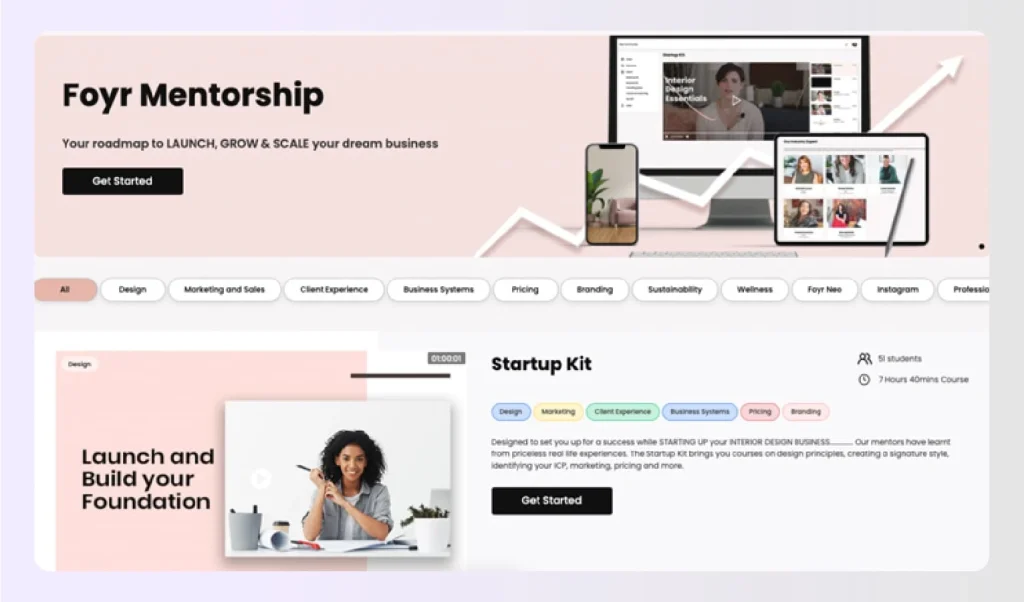
If you are seeking an interior design career, make sure you have your bachelor’s or master’s degree and have signed up for design programs. Moreover, if you are just entering the interior design field, whether with your own home or working with another homeowner, remember to put your talent to paper in the real world.At Foyr, we are excited to have created a community of interior designers, design professionals, and students who benefit from our robust platform. Foyr is a one-stop shop for interior design and interior decor courses, and our specialized learning module is the best place to gauge industry trends and insights. If your goal is to become a successful interior designer, browse Foyr’s blogs for the latest updates, tips, hacks, and information on all things design!
Sign up to become part of the Foyr Community.
Frequently Asked Questions
Is interior design a skill or talent?
It is actually a blend of both. While having a natural eye for aesthetics, color, and spatial arrangement is a talent, translating that vision into reality requires technical interior design skills. You need to learn drafting, software proficiency, and project management to turn raw talent into a viable, professional career.
What are the strengths of an interior designer?
A strong designer balances artistic vision with practicality. Your key strengths should include creativity for problem-solving, acute attention to detail, and spatial awareness. Beyond the art, strong communication and organizational abilities are crucial. Mastering these interior design skills allows you to manage client expectations and execute complex projects smoothly.
What are the soft skills for an interior designer?
Soft skills are just as vital as technical knowledge. You need patience to handle revisions, leadership to guide contractors, and empathy to truly understand a client’s lifestyle. Active listening and adaptability are essential interior designer skills that help you navigate stressful deadlines and diverse client personalities without losing your cool.
What are the areas of expertise for interior design?
The field is vast! You can specialize in residential design (homes), commercial design (offices, hotels), or healthcare design. Niche areas include sustainable design, lighting design, and kitchen and bath design. Developing specific interior design skills in these niches can help you charge higher rates and target specific clientele.