

Designing your own house is the ultimate grown-up dream. It is that fantasy where you finally get the walk-in pantry you deserve and a bathroom that feels like a spa. However, it can also be terrifying because there are so many moving parts involved in the process.
Don’t panic because we are here to help you navigate this exciting journey. While the process is chaotic, it doesn’t have to be a disaster or a financial nightmare for your family. Whether you work with a designer or take the DIY route, we will walk you through the madness.
We will explain every detail step by step so you can turn those napkin scribbles into a place you actually want to live. You will learn how to design a house that fits your lifestyle and budget perfectly without losing your mind.

Step 1: Establish Your Budget
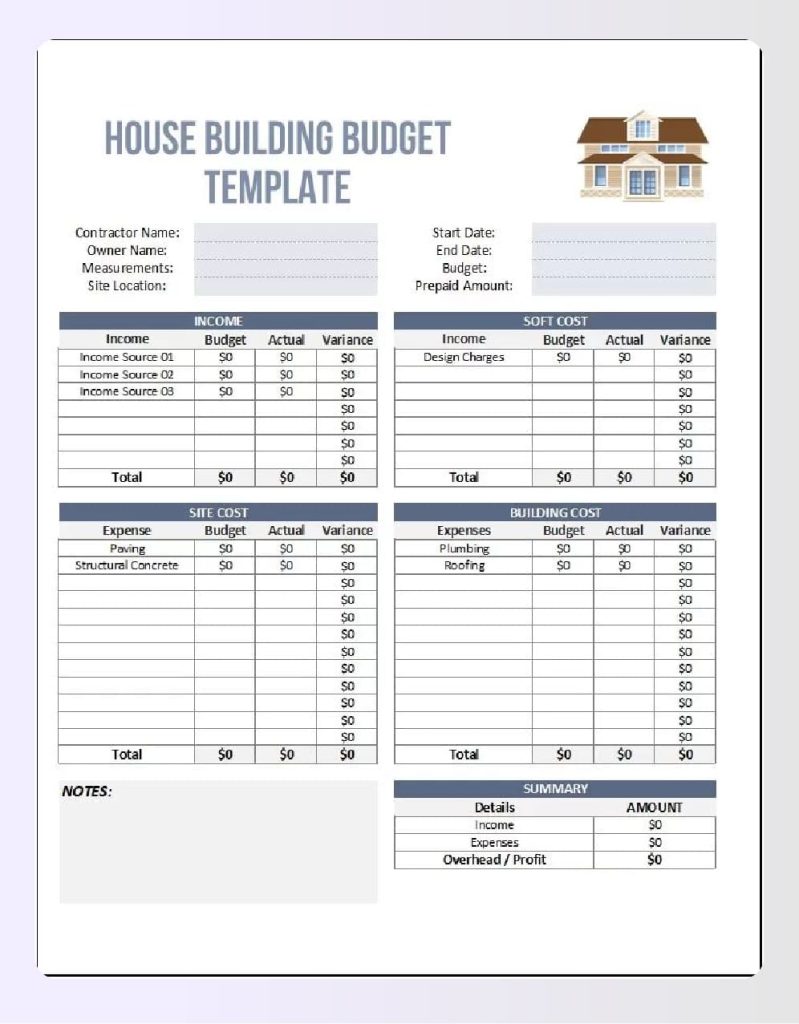
Before you draw a single line, you must understand exactly how much you can afford to spend. Building your dream home requires a clear financial roadmap so you do not run out of money. You should speak with lenders early to understand the average cost of construction in your area. Your budget needs to cover everything from the footings to the final decor items on the shelves.
It is a good idea to create a spreadsheet tracking every penny for your new home. Remember that your budget is crucial and dictates the square footage you can realistically afford for your own house. You might need to compromise on the number of bedrooms to afford that chef’s kitchen.
Step 2: Site Analysis & Local Regulations
You cannot plan a structure without understanding the unique characteristics of the plot of land you purchased. Analyzing the site helps you maximize the potential of your property while adhering to legal restrictions.
- Zoning and setbacks: Check with local authorities to see how close to the property line you can build your exterior walls.
- Solar orientation: Orient your home to maximize natural light and improve energy efficiency if you plan to install solar panels.
- Topography and soil: Understanding the slope helps you determine if you need deep trenches or specialized foundations for your new build.
- Views and noise: Position your living room and bedrooms to capture the best views while shielding your family from street noise.
Step 3: Define Your Vision & Create a Mood Board
You need to gather creative thoughts to establish a clear direction for your architectural style. Start by saving images that inspire you on Pinterest to see emerging patterns. This helps you identify whether you lean towards modern minimalism or traditional farmhouse aesthetics for your own home.
Use a digital tool to organize these images into a cohesive story that communicates your preferences. You can try the Foyr Mood Board to arrange textures and colors easily. This step is crucial for maintaining a cohesive design throughout the entire house.
This visual collection serves as a reference point whenever you make decisions during the design process. It ensures your personal style shines through in every detail. Sharing this board via email with your team ensures everyone understands the aesthetic goal.
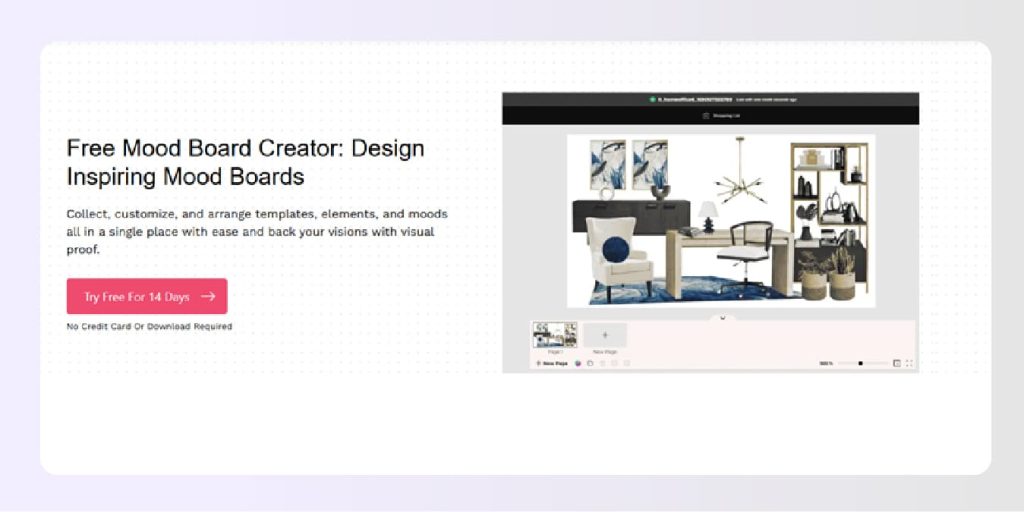
If you are wondering how to organize your ideas visually, check out this helpful guide on creating mood boards using Foyr
Step 4: Assemble Your Dream Team
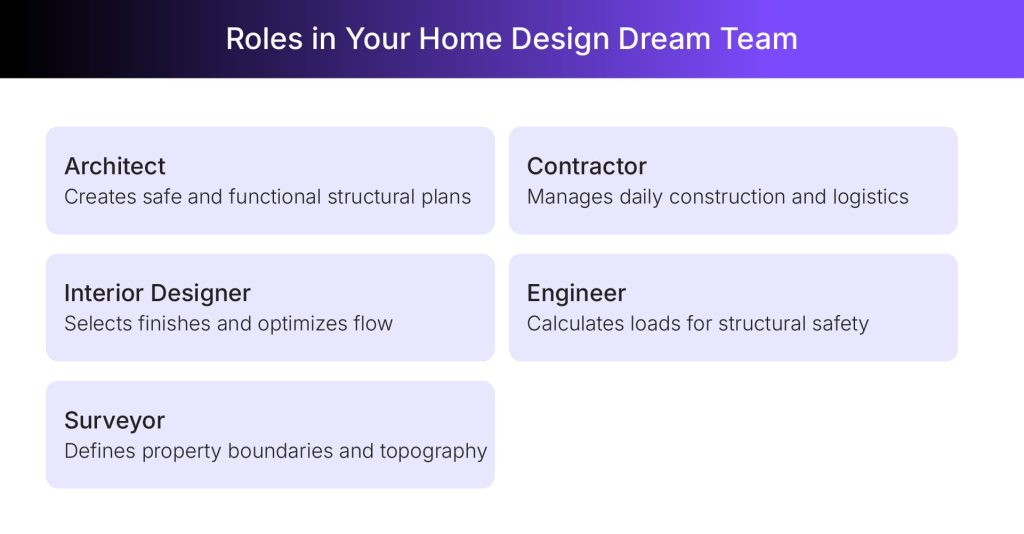
Unless you are an experienced builder, you will need professionals to help build your dream home safely. Finding the right people ensures your project stays on schedule and meets quality standards.
- Hiring an architect ensures your house plans are structurally sound and aesthetically pleasing.
- Interior designers help optimize your layout and select finishes that elevate the look.
- A general contractor manages daily operations and coordinates all the different tradespeople.
- Engineers are essential for checking structural integrity and planning complex plumbing work.
Step 5: Sketching the Concept & Basic Layout
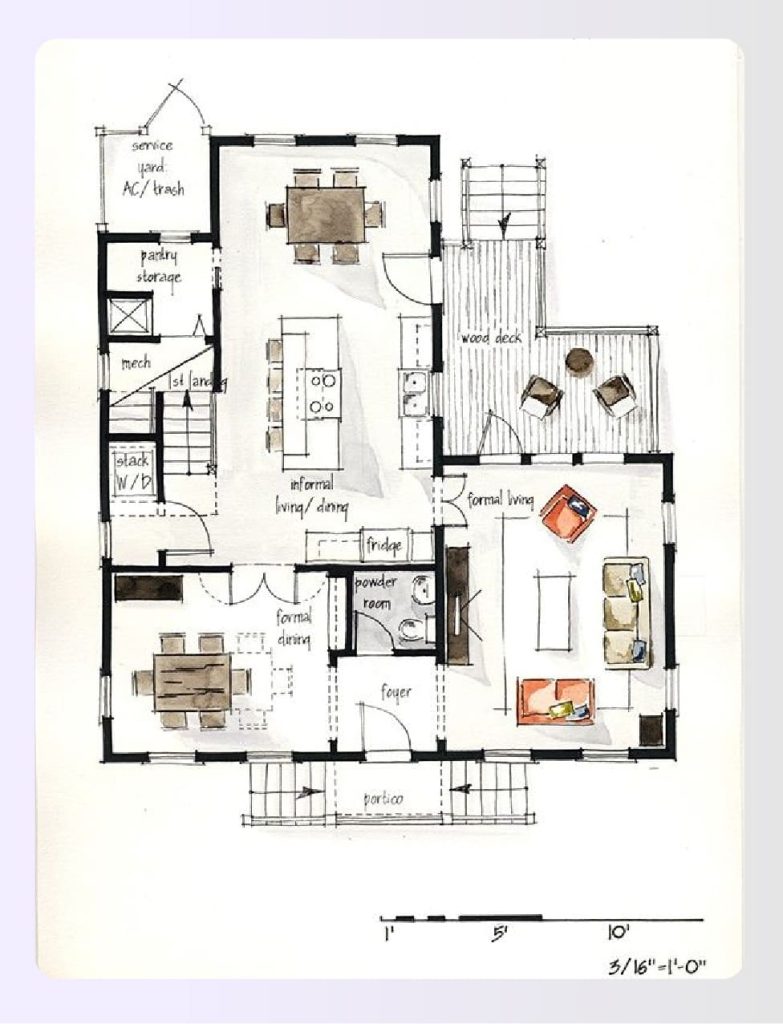
Now is the time to start putting your ideas onto paper by creating rough bubble diagrams. Focus on how you move through the home and how rooms relate to one another. Think carefully about the room sizes to ensure furniture fits without making the space feel cramped.
You need to determine the ideal number of bedrooms based on your family’s needs. This is the first step in visualizing the flow of daily life within the new walls. Refine these sketches into a preliminary floor plan that establishes walls and doors. Pay attention to functionality by ensuring hallways are wide enough. This layout serves as the foundation for all future detailed drawings.
Step 6: Utilize Home Design Software (Or Hire a Pro)
You can take sketches to the next level by using home design software to visualize everything in 3D. Tools like Foyr Neo allow you to convert 2D plans into 3D models instantly. This allows you to walk through your design virtually and catch potential issues early.
Using a home design app gives you the freedom to experiment with layouts on your own. You can drag and drop 3D models to see exactly how they look in your custom home. Even if you hire a pro, using online resources helps you communicate ideas clearly. Understanding the basics of how to design a house digitally puts you in control.

Image Credit: Pinterest, Freepik
Step 7: Refine the Plan & Focus on Efficiency
Once you have a layout, you must refine it to ensure your home runs efficiently year-round. You need to think about the mechanical systems that keep your home livable and comfortable.
- HVAC and Insulation: Plan your HVAC ductwork and insulation early to maximize energy efficiency and comfort.
- Plumbing and Electrical: Group plumbing rooms to reduce pipe runs and lower material costs.
- Traffic Patterns: Analyze your layouts to remove dead space and ensure smooth movement between high-traffic areas.
- Storage Solutions: Add built-in closets and pantries to ensure you have enough storage for all your belongings.
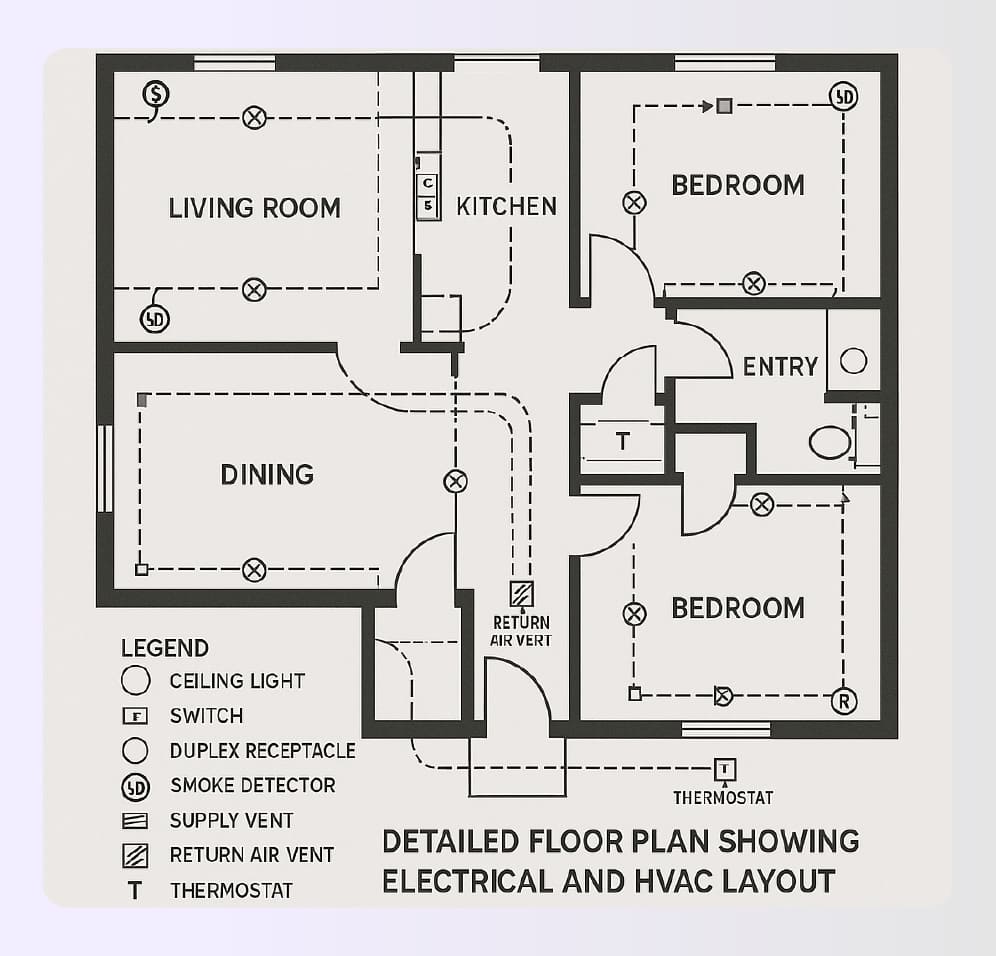
Image Credit: Gemini (AI-generated)
Step 8: Select Materials & Finishes
This is the fun part where you choose the textures and colors that define your home. You will select everything from the flooring under your feet to the shingles on the roof.
- Choose durable flooring materials that withstand the wear and tear of your lifestyle.
- Select appliances that fit your cooking habits and match the kitchen cabinetry.
- Pick decor elements that complement your architectural style and add personality.
- Review specifications for all materials to ensure they meet local building codes.
Seeing materials in a realistic light changes everything, so watch how to render materials beautifully with Foyr.
Step 9: Produce Detailed Construction Drawings
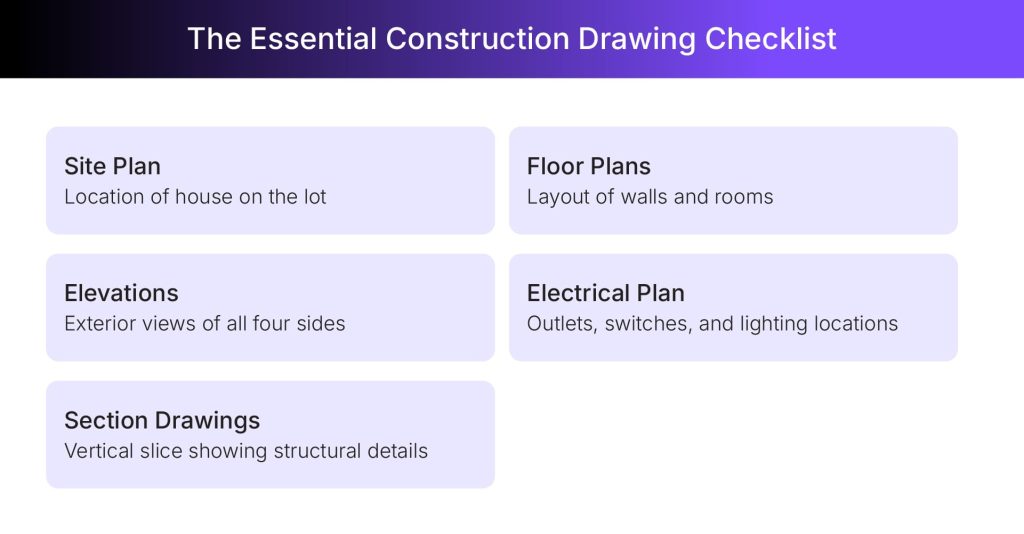
Your rough designs must now be translated into technical documents that a builder can actually use. These documents include blueprints, structural calculations, and detailed notes on how connections should be made. You will need accurate elevations that clearly show the exterior and interior walls.
These drawings act as the contract between you and your builder, so every detail is vital. Include specific renderings of key areas, such as the kitchen, to avoid confusion. The construction process relies heavily on these documents to ensure the structure matches your vision.
Step 10: Prepare for Construction
With plans in hand and permits approved, you are finally ready to break ground. The site will be cleared, and trenches will be dug to pour the concrete footings. You need to prepare yourself mentally for the noise and mess of a building site.
Ensure all your temporary utilities are set up and neighbors are aware of the work. You might see fiberglass insulation bundles arriving as the site transforms into a workspace. Staying organized during this phase is critical to keeping the project moving forward. Watching your home’s construction progress is incredibly rewarding as you build your dream home.
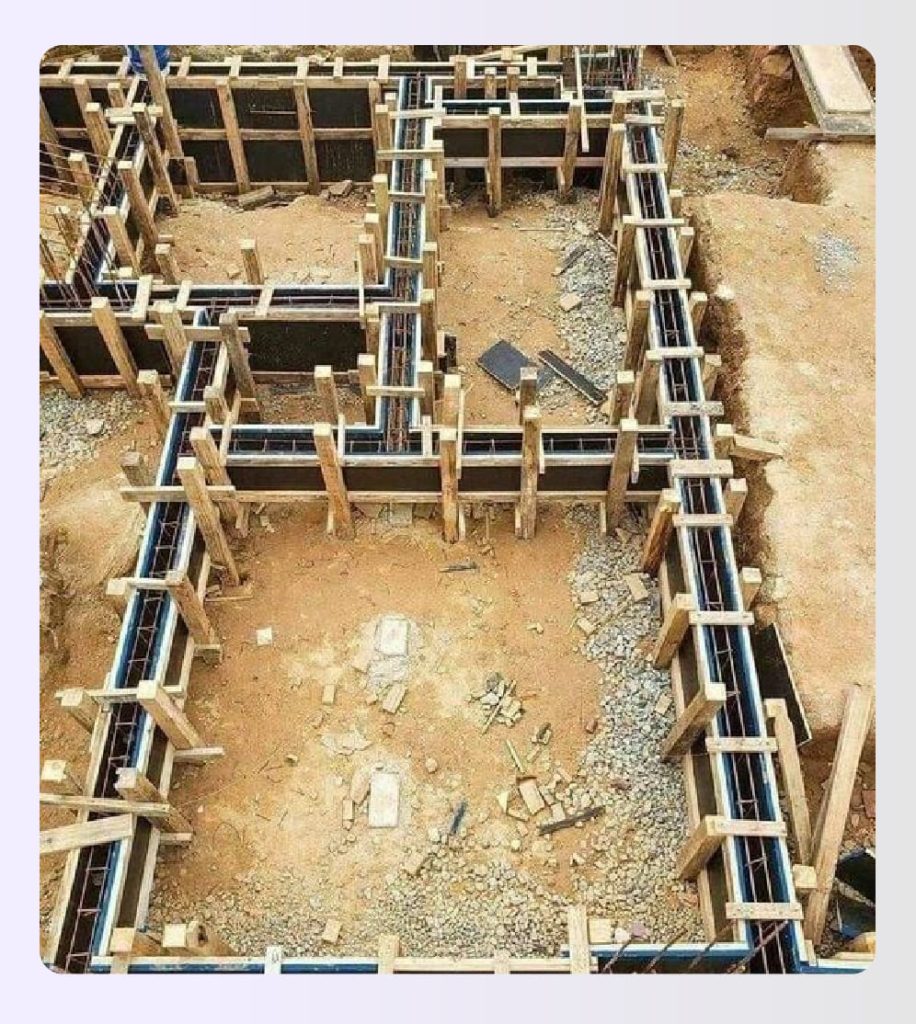
Image Credit: Pinterest, Civileng

Five Common Mistakes to Avoid When Designing a House
Designing a home is complex, and even small oversights can lead to big headaches down the road. You must stay vigilant to avoid these common pitfalls that plague many first-time home builders.
- Ignoring the HVAC: Failing to plan for ductwork results in bulky bulkheads that ruin the aesthetic of your ceilings.
- Skimping on Storage: Forgetting to add enough closets leads to a cluttered house that feels smaller than it actually is.
- Bad Lighting Plans: Lighting is a crucial aspect of your home. Relying on a single center light makes rooms feel flat and fails to illuminate task areas properly.
- Trends over Timelessness: Choosing overly trendy finishes dates your house quickly and might hurt resale value in the future.
- Being the General Contractor: Acting as the GC without experience inevitably leads to scheduling conflicts and expensive delays for your project.
Bring Your Vision to Life with Foyr
You deserve a tool that makes the complex process of how to design a house feel simple and intuitive. Foyr Neo is designed specifically to help you move from concept to photorealistic render without the steep learning curve.
- Speed: Create floor plans and 12K renders in minutes rather than waiting hours for output.
- Simplicity: The drag-and-drop interface is easy to master even if you have zero CAD experience.
- Cloud-Based: Access your projects from any browser without installing heavy software on your computer.
- AI Assistance: Let AI tools handle complex lighting and rendering tasks automatically for professional results.
- Huge Library: Access 50,000+ ready-to-use 3D models to furnish your space instantly.
Designing a home is a marathon, not a sprint. There will be days you want to scream, and days you feel like a genius. But when you finally walk through that front door and see the view you framed perfectly, or cook in the kitchen you designed from scratch, it will all be worth it.
Book a 14-day free trial of Foyr Neo and start designing.
FAQs
What is the best layout for a house?
The best layout depends entirely on your lifestyle, but open floor plans are generally popular. You should prioritize a flow that connects the kitchen to the living room. Always consider the square footage available to ensure rooms feel proportional and functional.
Is there a website where I can design my own house for free?
Yes, there are several online resources and apps that allow you to design layouts for free. Foyr Neo offers a free trial that gives you access to professional-grade tools to design your dream house. It is the perfect first step to visualize your ideas.
Is $500,000 enough to build a house?
Yes, $500,000 is often enough to build a comfortable new build, depending heavily on location and size. However, you must manage your expectations regarding luxury finishes to stay on budget. Always factor in the cost of the land separately.
Is it cheaper to design your own house?
Designing your own home can save money on architectural fees, but mistakes can be costly. Using an interior design software helps you spot errors early, which saves money in the long run. Professional consultation is still recommended for safety elements.

Nichole Samuel
Interior Designer
 Goddess Interiors LLC
 www.goddessinteriors.com