

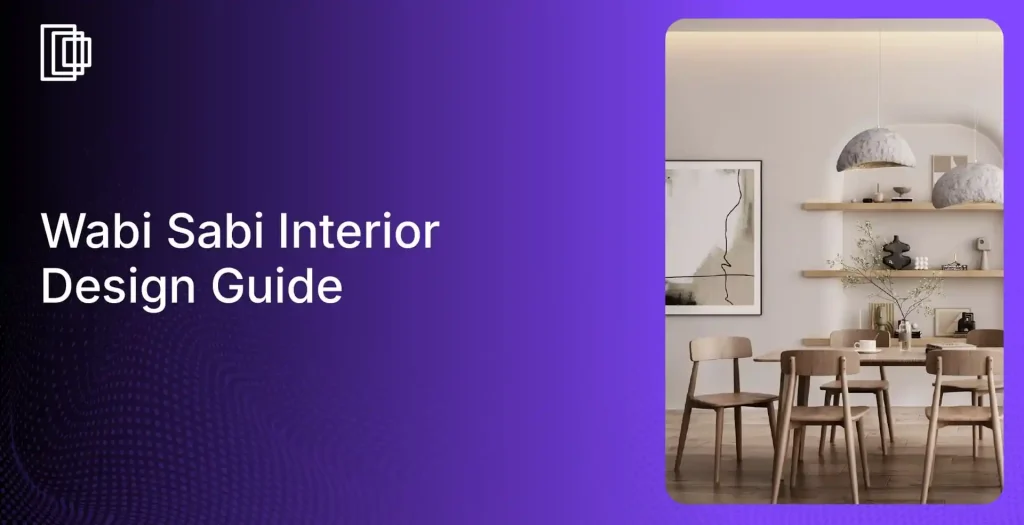
There’s beauty even in imperfections, and that’s what wabi-sabi means. The concept of wabi-sabi finds its roots in old Japanese traditions. It embodies the true spirit of Japanese design, lifestyle, philosophy, art, culture, and personal feelings, all in one.
If you visit Japan, you’ll notice that the people and the culture appreciate the innate beauty of animate and inanimate objects – from broken crockery to molding Wabi-Sabi furniture, misty landscapes to distorted reflections of nature on the water.
In this respect, the idea of wabi-sabi interior design involves the understanding that each thing on this planet, whether living or not, ages with grace, and becomes more beautiful as it breaks, fades, or scars. It is the understanding that old and worn out things have their own elegant charm.
This blog covers the key aspects of wabi-sabi interior design philosophy and different design ideas to incorporate it in your designs.

What is Wabi-Sabi in Interior Design?
Wabi sabi interior design celebrates the cycle of life, accepting that nothing lasts, nothing is finished, and nothing is perfect. Instead of chasing sleek modernism, you pause to appreciate the knot in the wood or the wrinkle in the linen. It’s about finding peace in authenticity.
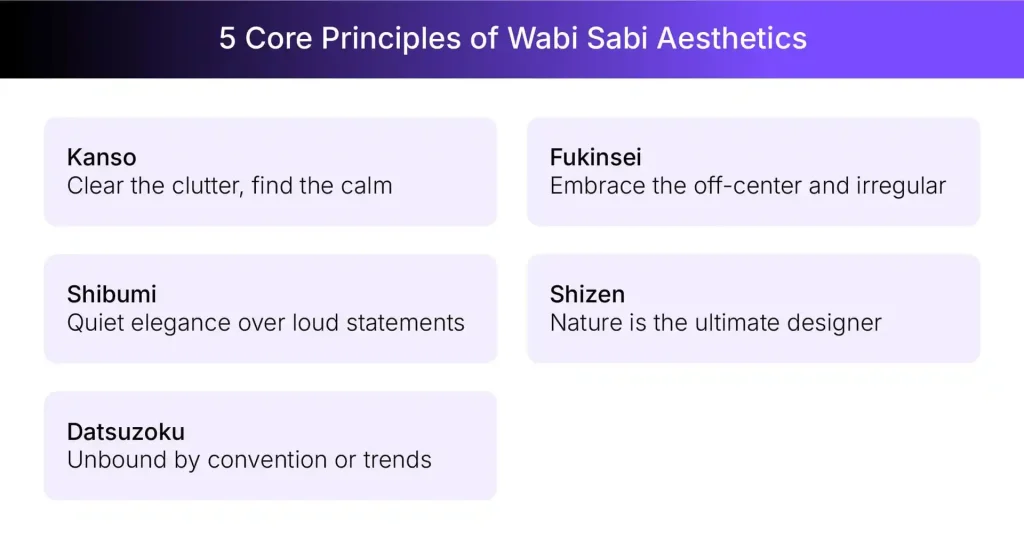
Here are the core principles of Wabi-Sabi in interior design:
- Kanso (Simplicity): Eliminating clutter to find clarity and focus on what truly matters in your space.
- Fukinsei (Asymmetry): Finding balance in irregular shapes and rejecting the rigidity of perfect symmetry.
- Shibumi (Understated Beauty): Beauty that doesn’t shout but rather speaks through texture and subtle details.
- Shizen (Naturalness): Bringing the raw outdoors, in, and avoiding artificial or overly processed materials.
- Datsuzoku (Freedom): Breaking away from rigid design rules to create a space that feels uniquely yours.
Origin of the Wabi-Sabi Aesthetic
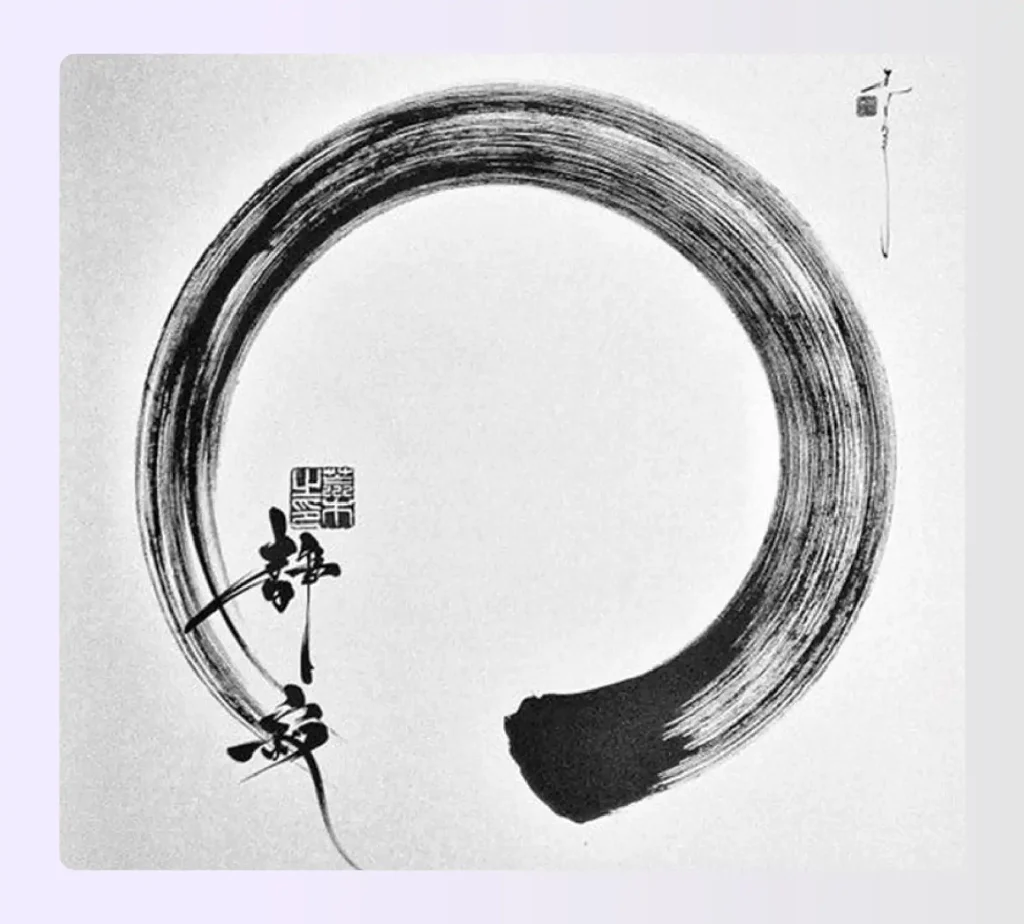
While wabi-sabi is a Japanese philosophy, it comes from traditional Chinese Zen Buddhist culture. Some can even trace the origin of its story back to a 16th-century Japanese legend about Sen no Rikyu, the monk who helped develop the theory of tea ceremonies.
According to the legend, the monk wanted to learn the ancestral art of tea ceremonies, and in the process his tea master also asked him to look after the garden. Just before presenting his master with his work, Rikyu shook a cherry tree in the garden, such that its sakura flowers fell to adorn the ground, and this imperfection of the fallen flowers brought so much beauty to its surroundings that it gave birth to the concept of wabi-sabi.
The ‘enso’ Wabi-Sabi symbol depicts the concept, which comprises an unfinished circle created as part of an infinite stroke or motion, typically rendered in black ink.
Read also – 7 Ways To Incorporate Steampunk Interior Design In Your Home

Key Elements of Wabi Sabi Interior Design
To truly nail wabi sabi interior design, you need to understand its building blocks:
Natural materials
Plastic and polish have no place here. Focus on wood with visible grains, rough stone, bamboo, clay, and wool. The tactile experience is just as important as the visual one. If you run your hand across a surface, it should feel organic and raw, connecting you directly to the earth.
Earthy tones
Your palette should mimic a walk through a forest or a desert. Think muted greys, warm browns, soft creams, and sage greens. These colors don’t demand attention; they provide a calm backdrop that lets the room’s textures and light take center stage, fostering deep relaxation.
Simplicity and minimalism
This isn’t the sterile minimalism of a showroom. It’s warm minimalism. Keep only what is useful or beautiful (or both). By removing visual noise and clutter, you allow the eye to rest on the few, meaningful pieces you’ve chosen. Every object in a wabi sabi design scheme needs breathing room.
Asymmetry and irregularity
Forget matching nightstands or perfectly centered art. Life isn’t symmetrical, and your home shouldn’t be either. Arranging items in odd numbers or allowing a handmade bowl to be slightly lopsided adds character. These “flaws” tell a story and make the space feel lived-in rather than staged.
Read also – Interior Design Basic Concepts and Elements
14 Best Ways To Incorporate The Wabi-Sabi Interior Design in Your Home
Here are the 14 best ways to incorporate Wabi-Sabi interior design elements in your home:
1. Define Your Decor Intentionally
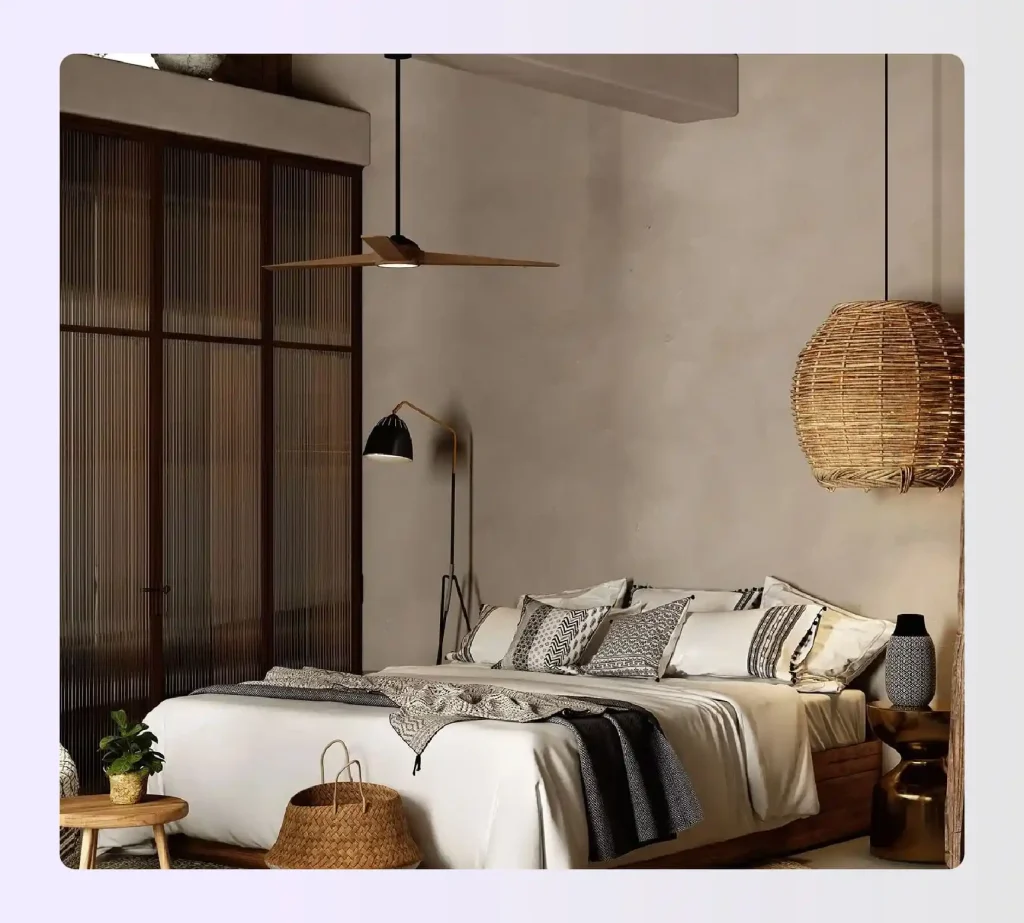
The wabi-sabi aesthetic finds reverence in an uncomplicated sense of beauty, and according to experts like Marie Kondo, this is the philosophy that should translate into the aesthetic of one’s home or Wabi-Sabi interior design.
When adopting the aesthetic, it is important to choose specific interior decor pieces, on the basis of how one wants to live their life. Here are some sustainable architecture design ideas you can implement.
Add Personal Touches
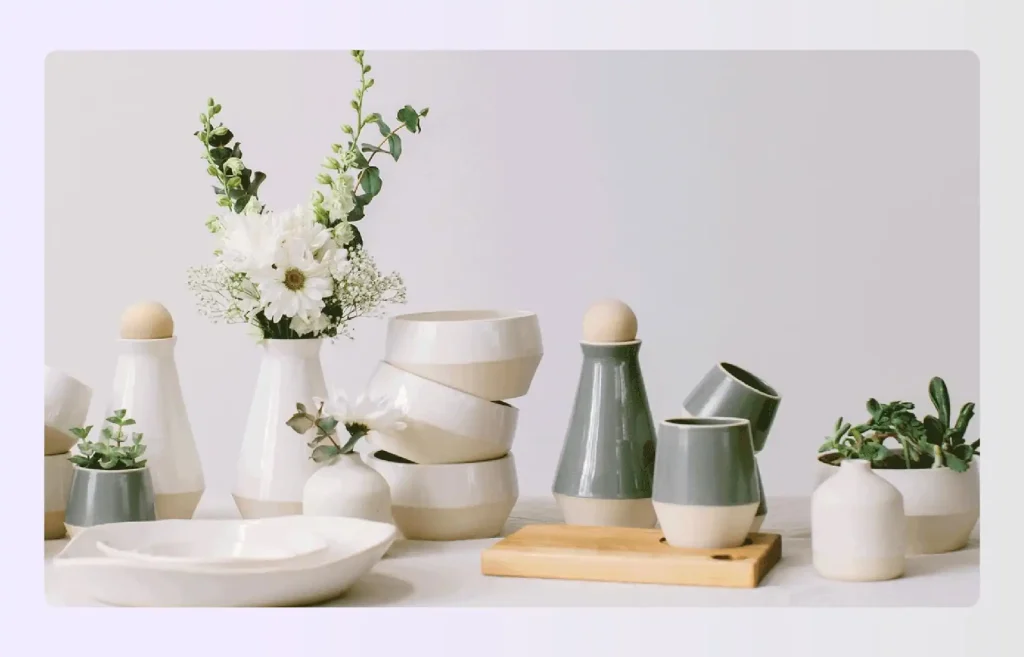
If you want wabi-sabi aesthetic to define your home decor and design style, instead of adding new and glossy interior decor pieces and items to create a modern home, go for a design aesthetic that involves personal home decor items.
There are several popular interior design styles and ideas you can explore such as, a piece of Wabi-Sabi wall art made by a child, a striking statement vase or artwork etc.
3. Go Natural
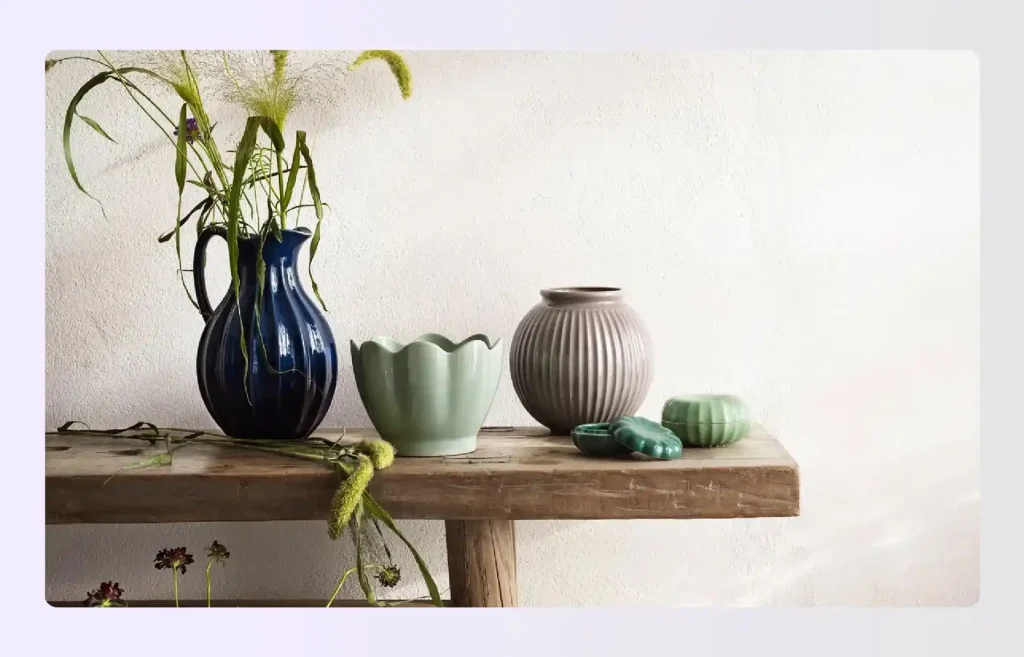
One of the main elements of a wabi-sabi home is asymmetry, intimacy, and simple design. Incorporate minimalism by using real and natural objects – these could include houseplants and Wabi-Sabi furniture made from natural and raw materials.
Check out our guide on 15 types of houseplants you can grow inside your home to align with this design philosophy.
4. Tidy Your Bed – Your way!
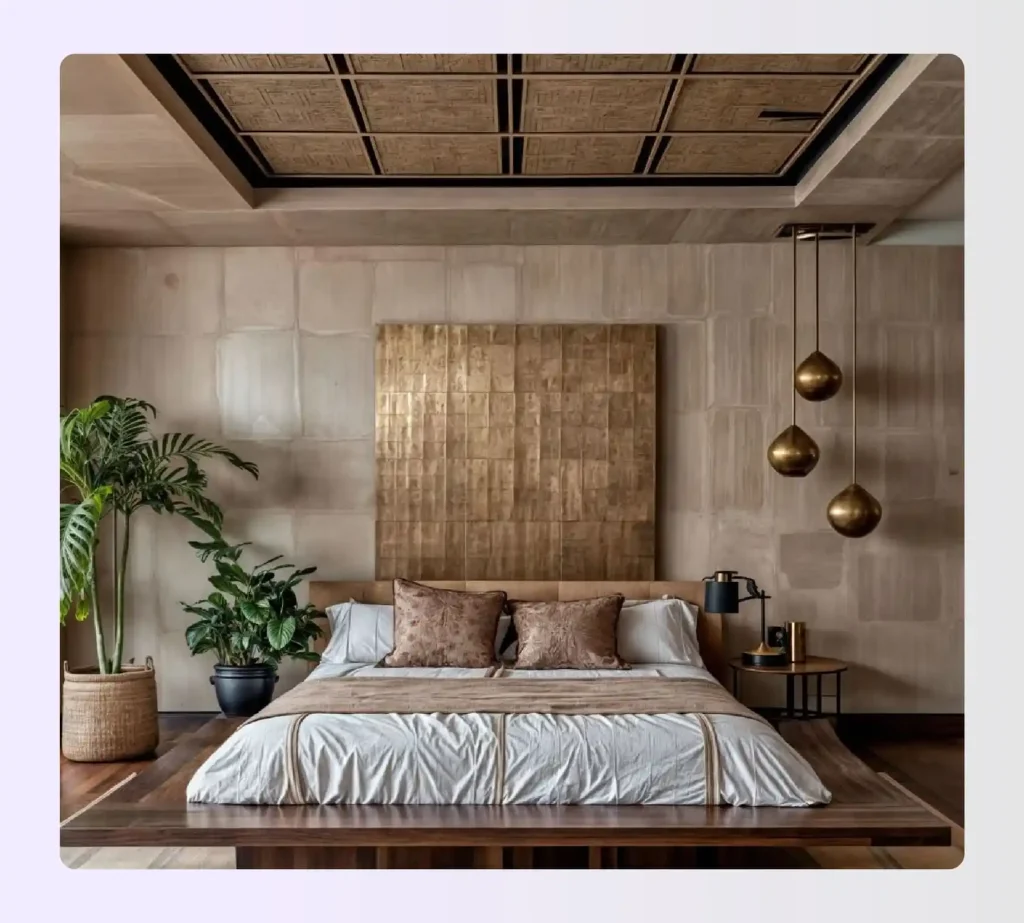
Wabi-sabi is an easy idea to integrate into one’s lifestyle. A great example is being disciplined with respect to daily tasks such as making one’s bed. Instead of focusing on creating a tidy, spotless, and perfect Wabi-Sabi bedroom, the wabi-sabi style encourages embracing an imperfectly made bed.
If you are trying to balance this relaxed approach with contemporary aesthetics, you might want to explore different ways to incorporate modern interior design style in your home while keeping that authentic, lived-in feel.
5. Keep Things Cozy
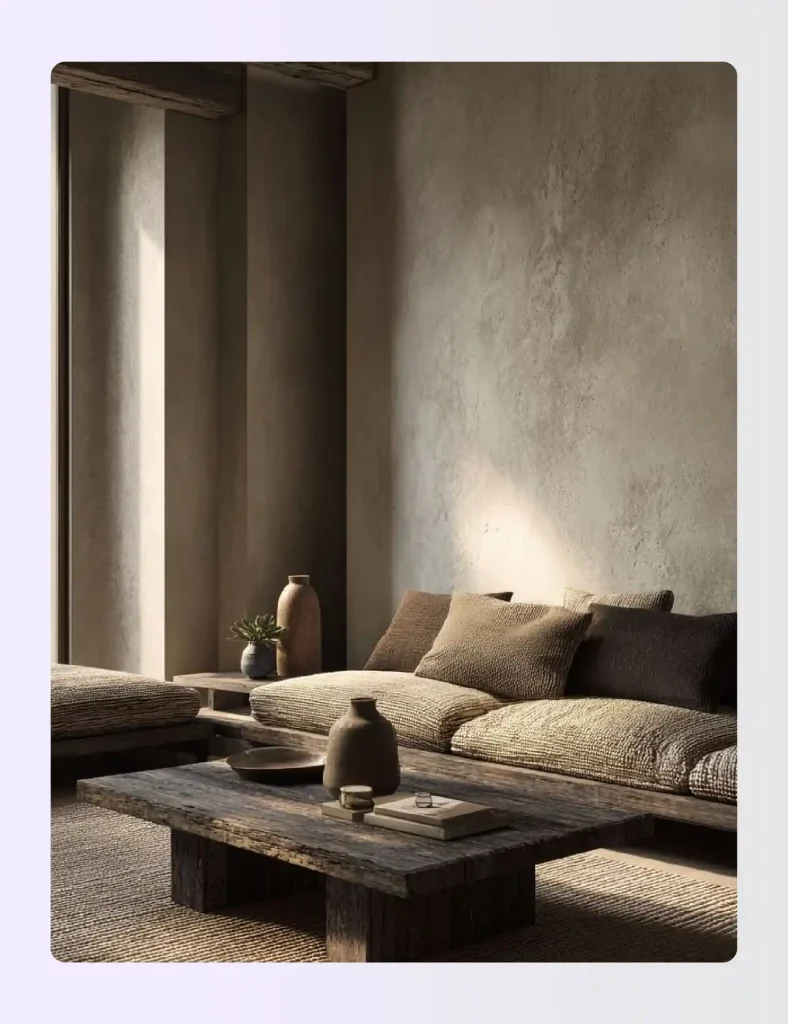
According to the wabi sabi style, your home is your safe space and should be created in a warm, cozy, and comforting manner. Without messing up or adding clutter to your interiors, the idea is to make your home look ‘lived in’.
For example, if you want to incorporate the Wabi-Sabi philosophy in your living room, add blankets and pillows to create a sense of warmth. Neglecting these layers of comfort is actually one of the common interior design mistakes to avoid, as a sterile space often feels uninviting.

6. Use Washed Linens
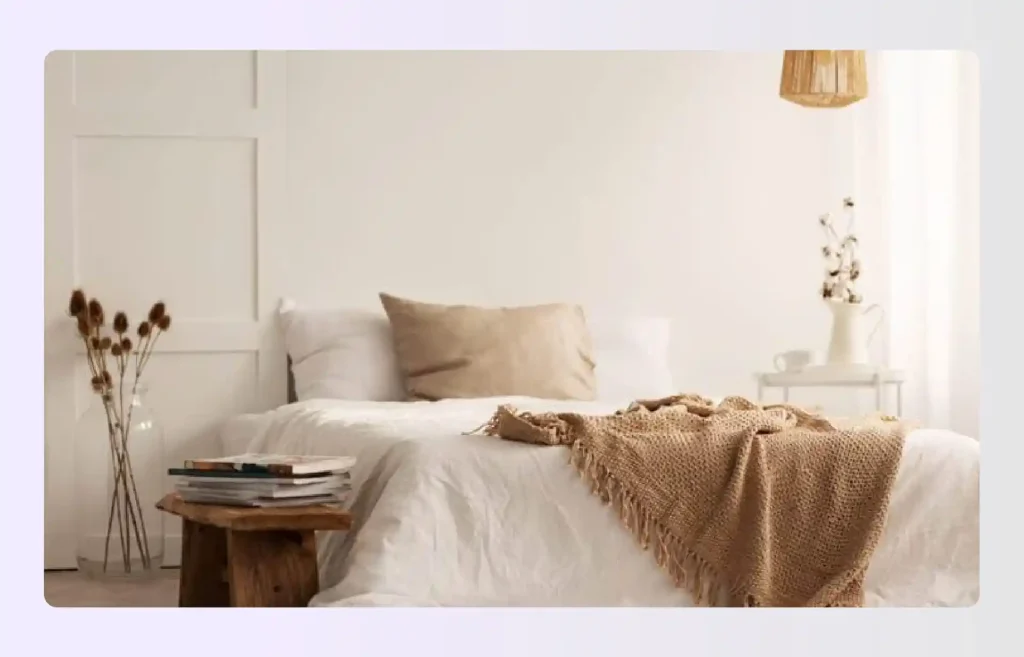
Linens are a beautiful fabric and add richness to their surroundings. In keeping with Japanese design tradition, use washed linens as table runners, bed covers, or even pillow/cushion covers.
This helps in creating a warm and comfortable space, akin to the feeling of a home that has been ‘lived in’. Linens provide a very relaxed and natural look to the overall aesthetic, sharing a textural kinship with the Bohemian interior design style, which also celebrates organic fabrics and relaxed vibes
7. Romanticize Your Daily Tasks
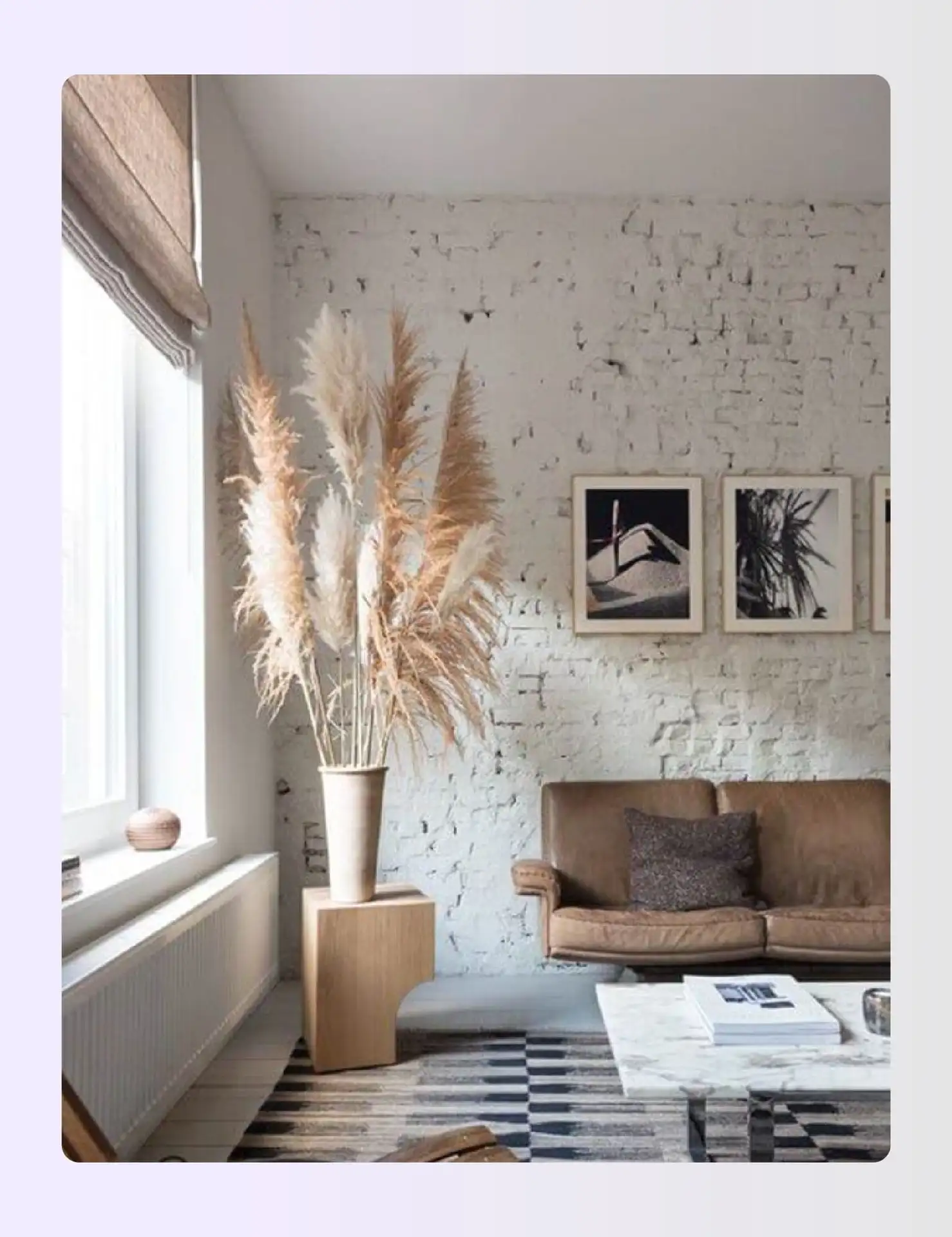
If you want to take the wabi-sabi philosophy in your home a step further, then start romanticizing daily mundane tasks.
For example, finding joy and beauty in making your morning cup of tea or coffee, or even reading a book, curled up in a corner of your living room beside a Wabi-Sabi coffee table at a certain hour each day. While these tasks may be routine, the idea is to make them memorable.
To ensure your home flows well enough to support these rituals, you might want to read up on the best ways to create an open floor plan layout.
8. Stimulate your Senses
To truly engage your senses and create a calming wabi sabi interior design atmosphere, focus on these sensory elements:
- Touch: Introduce tactile comfort by using natural materials and fabrics, such as sheepskin or woolen textiles, on your furniture.
- Smell: Enhance the olfactory experience by burning incense to ground the space.
- Hearing: Fill your home with soothing sounds by reading poetry or books aloud, playing meditative music, or letting the natural sounds of the outdoors waft through your home.
- Vision: Stimulate your eyes by displaying art or engaging in the act of creating art yourself.
9. Incorporate Home Decor Items that Age Well
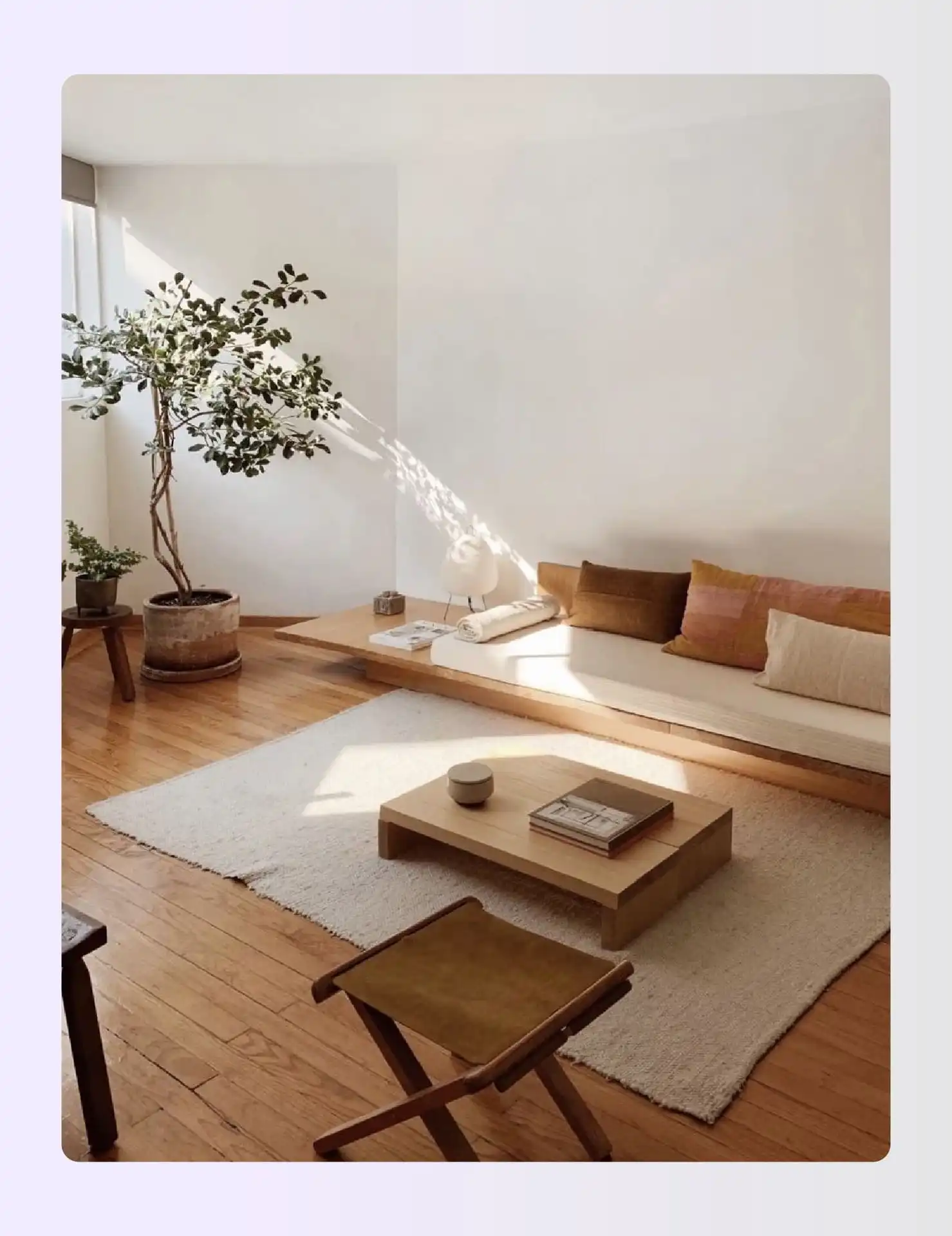
They say the best things in life get better with age – be it wine, whiskey, or antiques. When it comes to integrating Wabi-Sabi interior design inspirations, the idea is to decorate your home with items that have the tendency to get better with age, or age gracefully.
There are many home decor pieces that withstand the notion of time and style and look great irrespective of their surroundings or patina. Examples include kitchenware made from beautifully carved wood or even a statement piece of art that becomes the focal point. This appreciation for craftsmanship and natural materials is also essential if you are looking to integrate the Japandi interior design style into your home.
10. Use Broken or ‘Raw’ Items
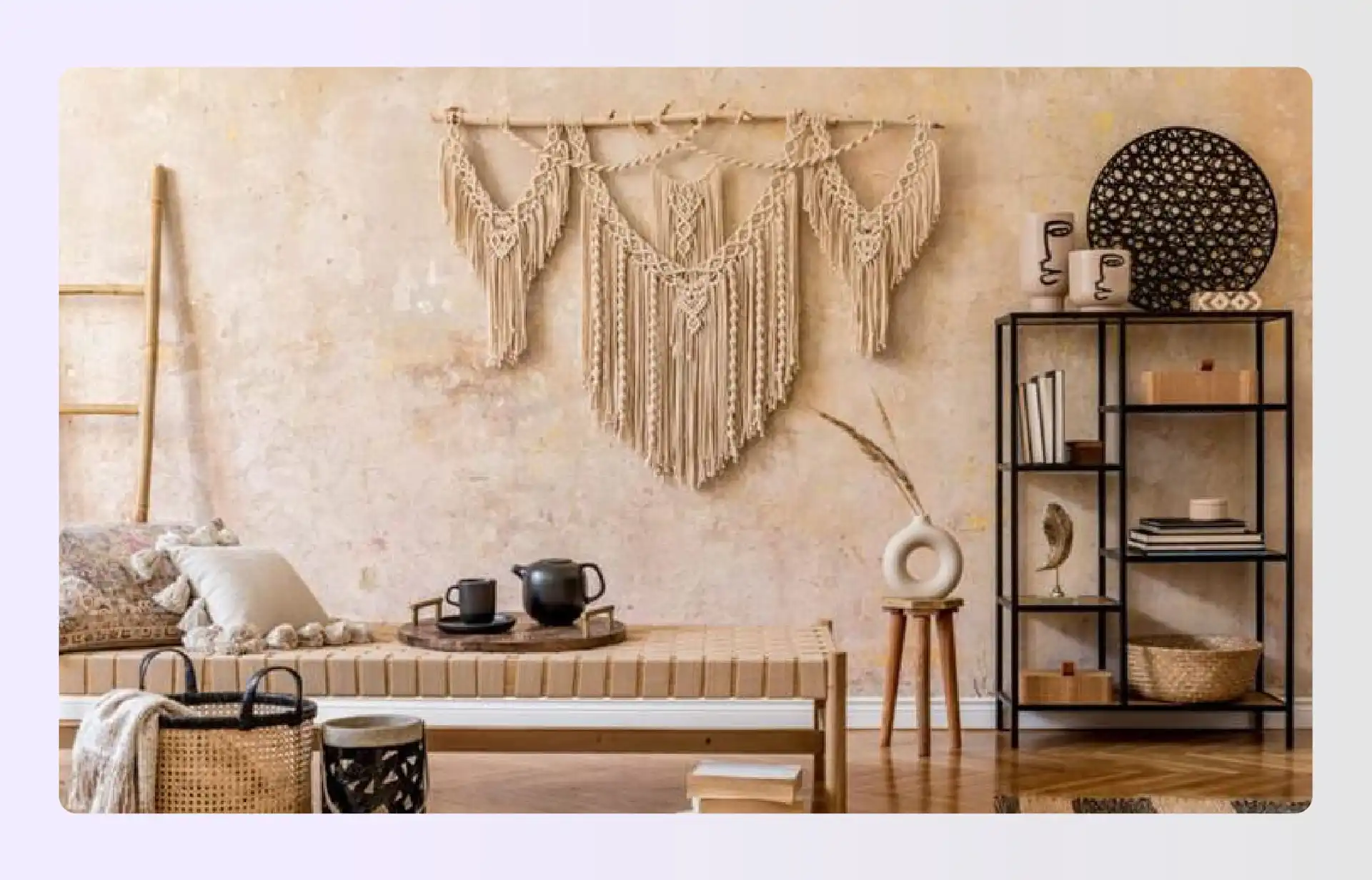
Broke a coffee mug or a plate? Don’t worry. Use the Japanese art of kintsugi to put the pieces back together, and then paint over the cracked lines with gold.
When it comes to raw items, use Wabi-Sabi ceramics like unglazed pottery instead of modern ceramics, in the form of planters or bowls, or use olive jars that have broken handles.
You can even use unpolished copper or brass materials to give your home a beautiful, rustic feel. For more inspiration on balancing raw textures with contemporary living, consider some modern rustic interior design ideas.
11. Practice Sustainability, Repurposing & Upcycling
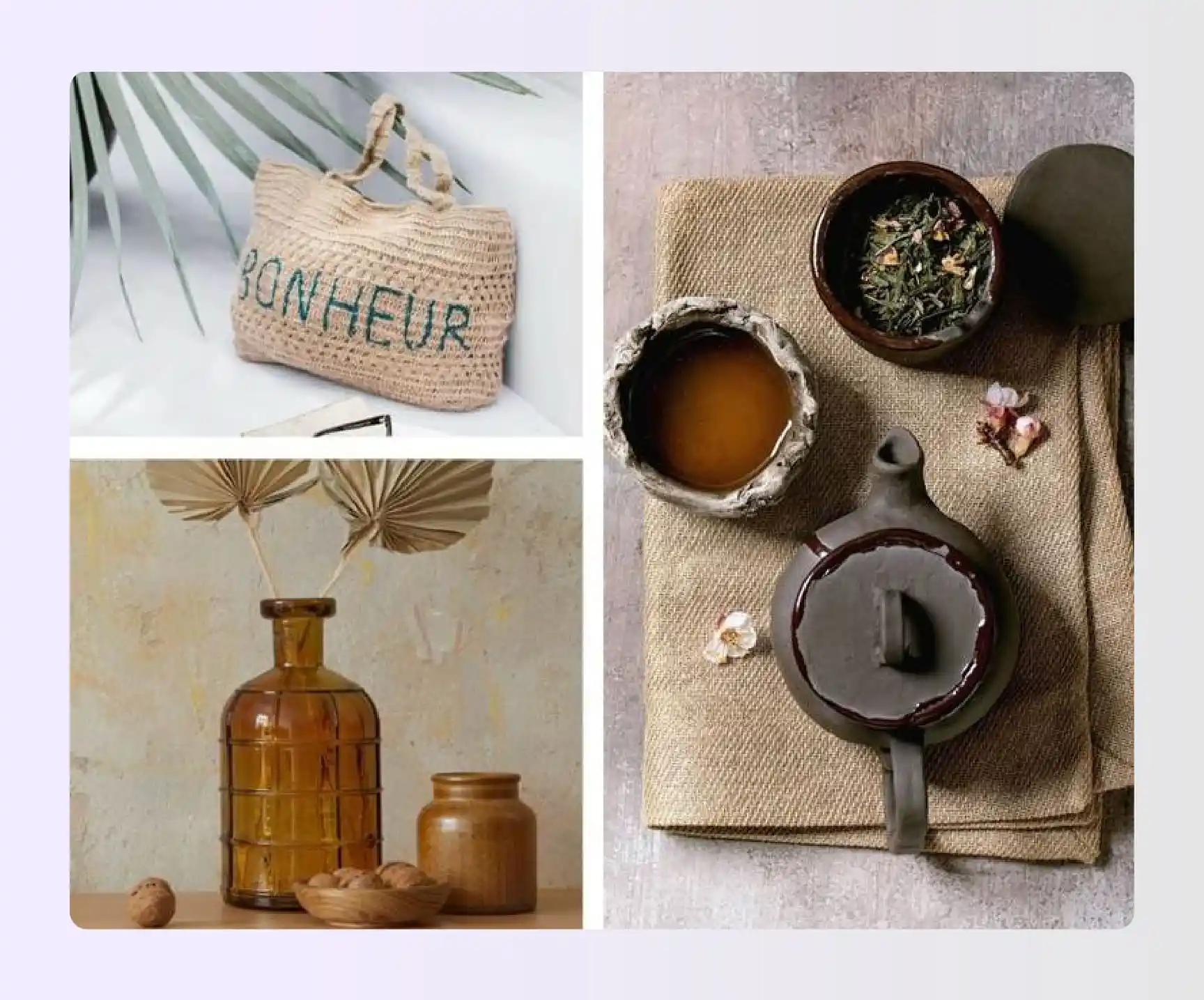
By now you would have realized that doing up your home the wabi-sabi way is also a step towards practicing sustainability. From reusing broken objects to embracing stains, chips and cuts on things, the wabi-sabi way of life is all about the concept of less is more.
Try reusing objects from around your home (instead of only recycling) – for example, a finished glass jar of pickles or olives can be reused as a flower vase. If you want to visualize how these repurposed items will look in your space before committing, you can use some of the top interior designing software tools to learn.
12. Color Scheme
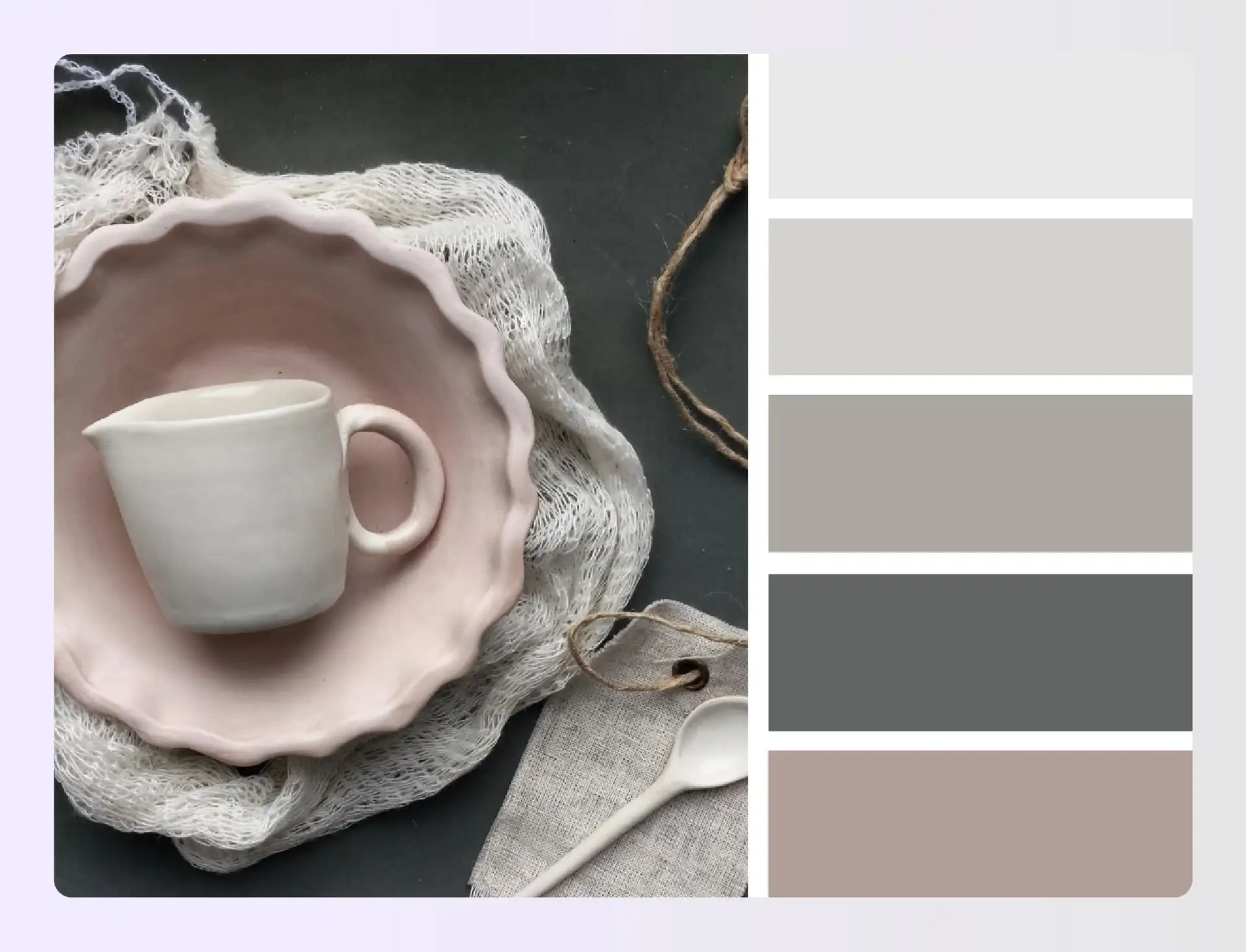
Finally, this design tip is about your home’s overall look and feel. When incorporating wabi-sabi, go for earthy tones and colors, as opposed to bright and vibrant colors. Choose colors like beiges, creams, browns, and muted greens to give a more natural and earthy raw feel to your home.
Feel free to use textures and accents on the wall which give out a very outdoorsy feel. To truly master these neutral palettes and understand how they interact, it is helpful to understand the basics of color theory in interior design.
13. Master the Art of Shadow and Light
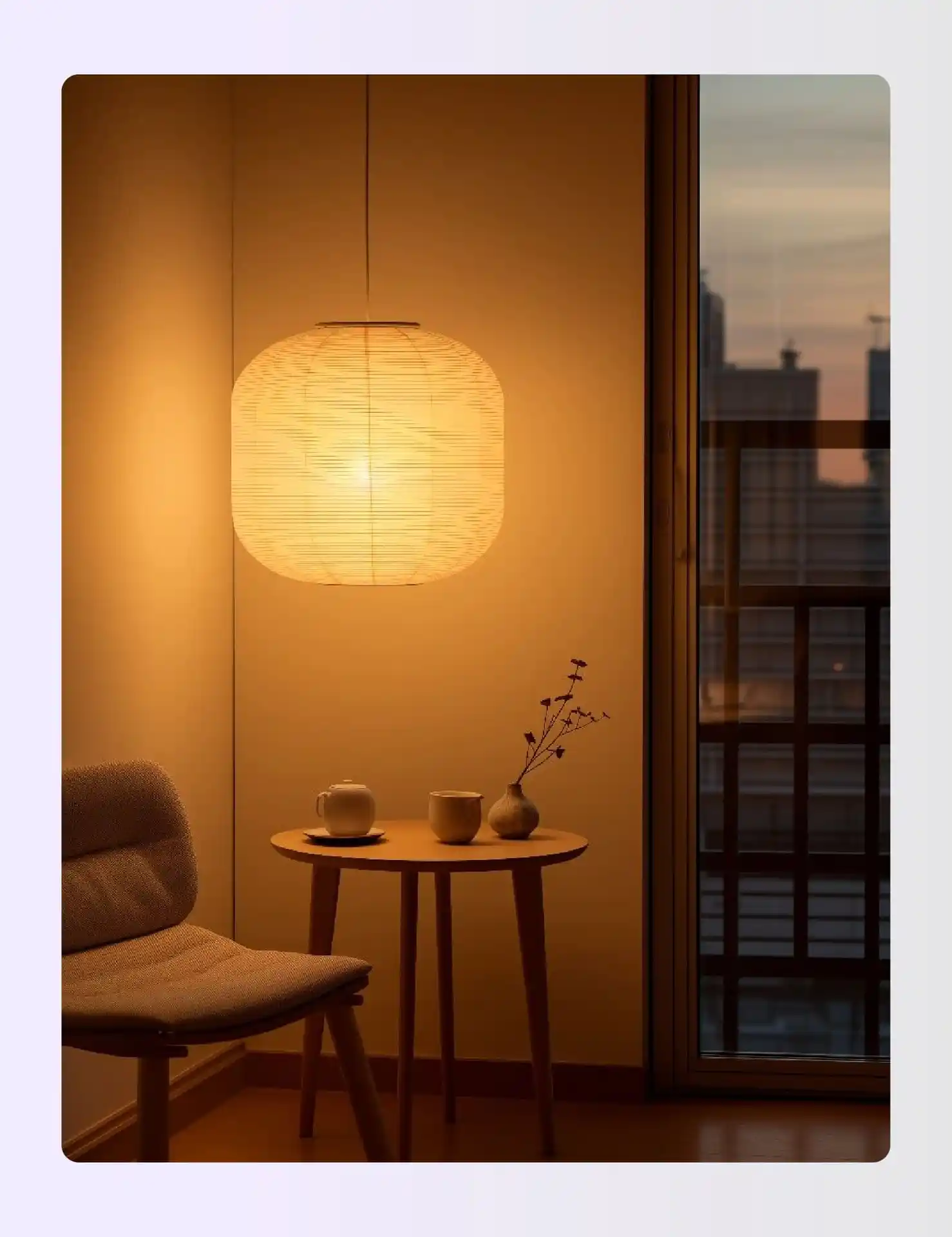
Wabi-sabi isn’t about bright, clinical illumination that floods every corner. It thrives in the shadows. To achieve this, move away from harsh overhead LEDs and embrace the interplay of light and dark.
Use floor lamps with paper shades, install dimmers, and light candles to create pools of warm light that highlight textures. This lighting style adds depth, mystery, and a sense of calm that bright lights simply cannot replicate.
14. Honor the Concept of ‘Ma’ (Negative Space)
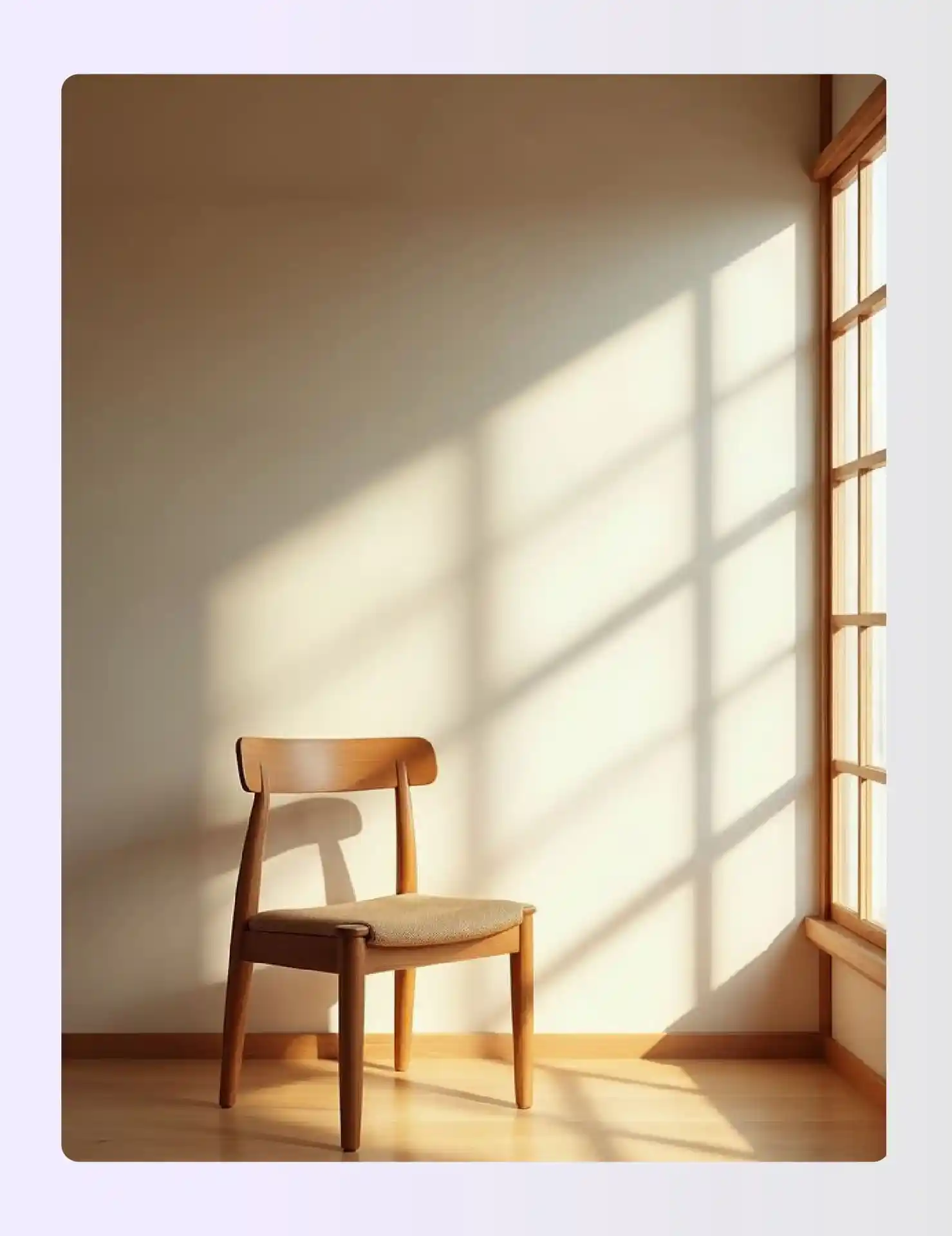
Don’t fill every shelf and wall. ‘Ma’ is the Japanese concept of negative space—a purposeful emptiness that allows the space to breathe. It isn’t just empty; it is a pause that gives weight and meaning to the objects you do display.
By leaving a wall bare or a shelf half-empty, you reduce visual noise and allow the mind to rest, which is the ultimate goal of wabi sabi interior design.
Wabi Sabi Inspiration For Your House
Ready to apply this to specific rooms? Here is how you can let wabi sabi interior design flow through every corner of your house, ensuring a cohesive and tranquil vibe.
Design a Serene Wabi Sabi Interior Design Washroom Space
Swap the gleaming porcelain for stone tubs or matte-finish basins. Use wooden stools that can handle moisture and age beautifully. Keep toiletries in amber glass bottles to reduce visual noise, creating a spa-like retreat that feels organic and grounded.
Create a Restful Master Bedroom with Wabi Sabi Interior Design
Keep the bed low to the ground, perhaps on a simple wooden platform. Use layered linen bedding in oatmeal or charcoal shades. Let the lighting be soft and diffused—paper lanterns work wonders here, creating a moody, restful wabi-sabi interior design atmosphere.
Incorporate Wabi Sabi Interior Design in Your Kitchen Area
Open shelving is your friend. Display your mismatched ceramic bowls and wooden spoons rather than hiding them. Opt for stone countertops that are allowed to stain and scratch over time, telling the story of the meals you’ve cooked and shared.
Style Your Living Room With Wabi Sabi Interior Design
Focus on low-slung, deep-seated furniture that invites you to sink in. Use a jute rug to add texture to the floor. A weathered coffee table with visible knots or cracks serves as the perfect centerpiece for your wabi sabi interior design living space.
Plan a Natural Wabi Sabi Interior Design Nursery Room
Avoid plastic toys and bright primary colors. Instead, choose wooden toys, soft cotton rugs, and a neutral color palette. It creates a calming environment for the baby and instills an appreciation for natural materials right from the start.
Bring Wabi Sabi Interior Design To Your Outdoor Spaces
Let the garden go a little wild. Moss-covered stones, weathered teak furniture, and unpruned shrubs fit the aesthetic perfectly. It’s not about manicured lawns; it’s about appreciating the changing seasons and the natural decay and growth of plants.
Where to Shop for Wabi-Sabi-Inspired Furniture
Finding the perfect imperfect pieces requires looking beyond big-box stores. Seek out sources that value craftsmanship, history, and natural aging.
- Visit local flea markets and antique shops to find weathered wood furniture with authentic wear and tear.
- Support independent ceramicists who create hand-thrown pottery with organic and asymmetrical shapes.
- Look for sustainable brands that use reclaimed wood or recycled materials to minimize environmental impact.
- Explore estate sales or online auctions for unique heritage pieces that carry a sense of history.
Before you buy, model these unique finds in your home using Foyr Neo. Drag and drop similar textures to ensure they blend seamlessly with your existing wabi-sabi interior design scheme.
Embrace the Wabi Sabi Interior Design with Foyr Neo
Imagine how lovely it would be to give someone a home tour of your perfectly imperfect home? If you are excited about incorporating wabi-sabi in your daily life, begin with these home design ideas.
Foyr Neo makes visualizing this nuanced aesthetic effortless. It allows you to experiment with raw textures, irregular layouts, and the interplay of shadow and light without any physical heavy lifting. You can test how ‘perfectly imperfect’ elements interact in your specific space before making any purchases.
Here is how Foyr Neo helps you master the wabi-sabi interior design look:
- Access 60,000+ pre-modeled items including rustic furniture and organic decor to populate your rooms.
- Apply custom textures like raw wood, linen, and stone to mimic authentic natural materials instantly.
- Adjust artificial and natural light sources to create the moody, shadow-filled atmosphere essential for wabi-sabi.
- Switch between layouts instantly to experiment with asymmetry and find the right balance for your space.
- Generate photorealistic 12K renders in minutes to see your imperfect design details in high-definition reality.
If you are wondering where to get more insights and tips on the wabi-sabi interior design trend, follow us on Instagram @foyrneo. We also recommend checking out the works of @Axel Vervoordt and @Sergey Makhno, who are true masters of the wabi-sabi aesthetic, to help refine your eye for this timeless style.
Sign up today for your 14-day free trial of Foyr Neo.
FAQs
How can I create a wabi sabi-inspired centerpiece?
Utilize a simple wooden table with visible grain patterns, adorn with a few imperfectly shaped vases holding dried flowers, and incorporate a tray with worn edges to showcase tea or coffee paraphernalia.
What lighting options complement a wabi sabi interior design?
Soft, diffused lighting like paper lanterns or linen lampshades can enhance the ambiance, while incorporating candles or lanterns can add warmth and a sense of intimacy to the space, in harmony with wabi sabi ideals.
What characterizes wabi sabi ceramics?
Wabi sabi ceramics often feature organic shapes, asymmetrical designs, and subtle glazes that showcase the beauty of imperfection and the handcrafted nature of the pieces.
What textures are typical in wabi sabi decor?
Wabi-sabi decor often features textures that evoke tactile warmth and simplicity, such as rough-hewn wood, worn leather, and natural fibers like linen and cotton.
How can I create a wabi sabi-inspired outdoor living space?
Use natural materials like stone and wood for outdoor furniture, incorporate weathered accents like driftwood or aged metal, and cultivate a wild, organic garden to evoke the beauty of impermanence and nature.
What are the 7 principles of wabi-sabi?
While interpretations vary, the key Zen principles often cited include Kanso (simplicity), Fukinsei (asymmetry), Shibumi (beauty in the understated), Shizen (naturalness), Yugen (subtle grace), Datsuzoku (freedom from habit), and Seijaku (tranquility). These guide the creation of a true wabi sabi interior design.
What are common wabi-sabi design mistakes?
The biggest mistake is confusing “messy” with wabi-sabi. It isn’t about clutter; it’s about intentional imperfection. Another error is buying mass-produced “faux rustic” items. Authenticity matters—fake distressing looks out of place. Also, avoid overcrowding; negative space is essential for the aesthetic to breathe.
What is the color palette for wabi-sabi style?
The palette is strictly drawn from nature. Think stone greys, muddy browns, soft creams, rusty oranges, and forest greens. Avoid harsh brights or neons. The goal is to create a soothing, monochromatic or analogous scheme that feels grounded and earthy.
How do you create a wabi-sabi living room?
Start with a neutral base. Add a low-profile sofa with linen upholstery. Layer a textured wool or jute rug. Introduce a coffee table made of raw wood or stone. Limit decor to a few meaningful, handcrafted objects, and ensure the lighting is warm and dimmable.
How do you bring wabi-sabi into your home?
Start small. Declutter to find peace (Kanso). Bring in nature with a few branches in a clay vase. Swap synthetic fabrics for linen or cotton. embrace the scratches on your dining table instead of covering them. It’s about shifting your mindset to appreciate the existing beauty.