

Design is a highly subjective topic. While you may prefer practicality, others can lean more towards aesthetics in interior design. But you would be surprised to know how much of it is science. When designing a space, getting your functional interior design right is top of the list!
An excellent interior design is inadvertently the right mix of functional and aesthetic design. If the balance gets distorted, you will often end up with an interior that feels underwhelming. Most modern interior designer professionals today have started following the “form meets function” concept as it allows them to achieve the perfect balance between functionality and aesthetics. Some have even imbibed the famous quote “form follows function” to design a space that is visually appealing and functionally performing. This article discusses how to implement functional interior design ideas in five easy steps.

What Is Functional Interior Design?
When you opt for functional interior design, you are making a crucial design decision to prioritize how a room actually works. It means creating functional spaces that seamlessly support your daily habits, ensuring your entire home makes logical sense.
It goes beyond mere visual appeal to offer an aesthetic way of living comfortably. By strategically utilizing space planning, you maximize the advantage of unused real estate, bringing an added function to your actual home without sacrificing its beauty.
Why Functional Interior Design Matters More Than Aesthetics Alone?
Achieving a beautifully styled space is wonderful, but ensuring your living room actually works for you is far more important.
- A well-thought-out functional interior design ensures you effortlessly navigate your living space every single day.
- Prioritizing utility means you can incorporate countless clever products to elevate your daily living experience.
- Balancing practical needs with your design elements creates an inviting and truly livable environment naturally.
- It is an effective way to ensure your dining room accommodates both meals and conversations.
- You prevent clutter by using cute storage bins that instantly hide your everyday essentials.
Nailing the Basics of Functional Design
Step one is nailing the basics. Yes, aesthetics impact a place’s visual appeal, but we need to remember that a space ultimately has to fulfill the functional demands of its users.
For example, if you are planning the interiors of an office, you need to accommodate a diverse group and ensure optimal productivity and comfort. It should be an ideal place where people want to work rather than feel forced. Similarly, when you undertake the design process for a living room, the priority has to be maximizing space without sacrificing aesthetics.
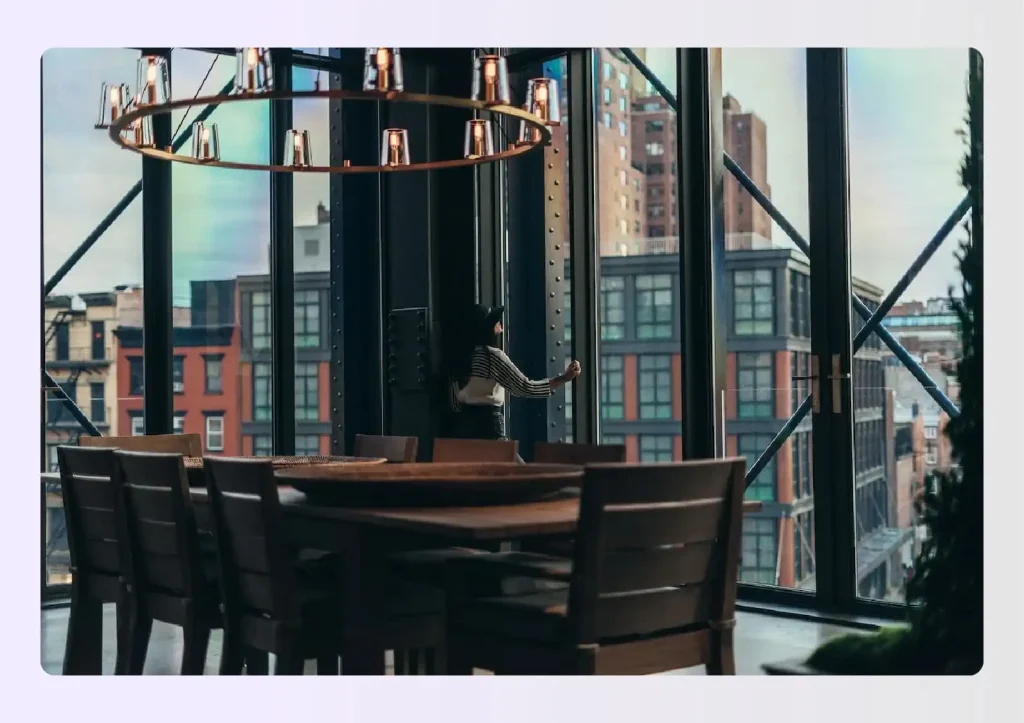
How do you design functional interiors? Focusing on the following pointers can help you achieve the desired results –
- Adding storage solutions wherever feasible
- Space optimization through tactical furniture arrangement
- Optimizing space by carefully choosing furniture shape and size
How do you execute this step? Focusing on the following pointers can help you achieve the desired results:
- Adding hidden storage solutions wherever feasible.
- Space optimization through tactical furniture arrangement.
- Optimizing space by carefully choosing furniture shape and size.
Taking some expert advice, space planning ensures you get to use a space to its maximum potential. For this, start by defining the areas of use and understand how these areas interact with one another. Then, while keeping the flow and connection as the priority, create an optimized floor plan.
Another essential aspect to remember while designing a functional interior design space is that ‘Every Inch Counts.’ Focusing on comfort-driven usability where you use flexible elements, such as multi-purpose furniture, can help you nail the functional aspect while keeping the sheen intact. Invite sources of light, such as natural light from windows, to make the space feel welcoming. If you are dealing with a small space, place items, such as mirrors, strategically to reflect light and make the overall footprint appear larger.
Get the Aesthetics Right – Finding the Right Color and Texture
Step two revolves around your color palette. Color is another vital element of the overall design aesthetics. If done right, it can define unity, create a mood, and elevate the general perception of the interior space. A consistent color palette in functional interior design cannot be undermined; it is a science that design professionals use to exhibit the desired emotions. For example, warm colors can exhibit deep emotions, such as love and warmth. Similarly, using a neutral color palette can symbolize authority, reliability, and harmony.
Using a single color can make the overall design look mundane. So, designers often prefer using contrast—guided by the color wheel—to communicate with the mind better and create a visual interest to inform viewers of the desired central focal point to focus on.
You can also use texture to emulate a more exquisite design, whether you are aiming for a French country design or an industrial design. Texture refers to the tactile surface of an object and is often used to create a sense of depth. You can bifurcate texture into two forms: visual and actual.
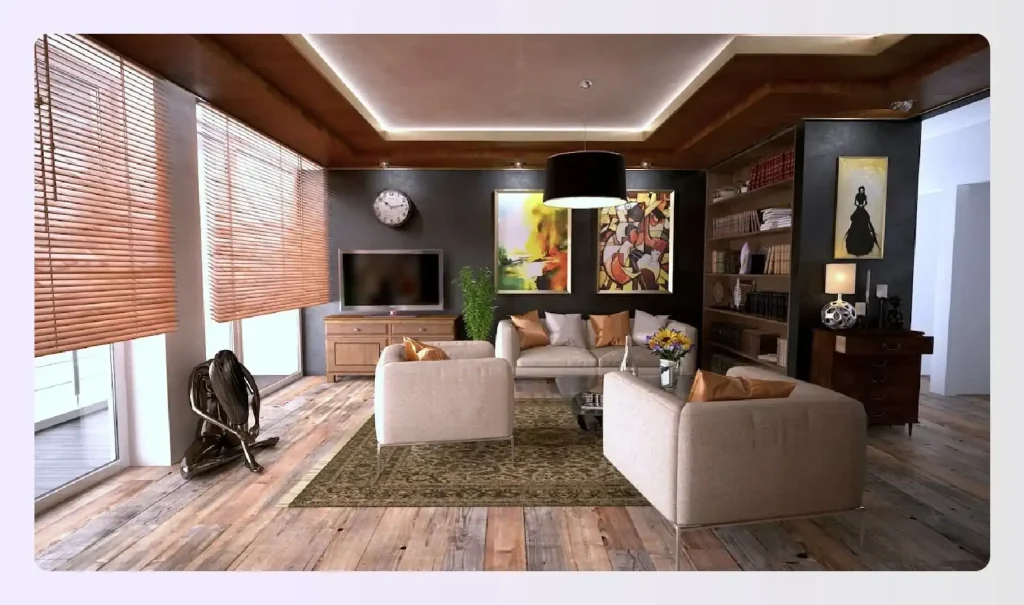
Actual textures are the ones that can be felt and add ‘visual weight’ to the overall design. For example, you can use different fabrics, such as sofas and curtains, to create a contrasting effect and provide texture. You can also use textured furniture, such as that made of oak or porcelain, to provide a different flavor to the eyes of the onlookers.
Remember, the possibilities are endless. But you have to carefully fiddle with your choices to create an impactful interior design project that is both functional and aesthetic.
Here are some tips and tricks that you may find handy:
- Create a list of complementary color schemes to create an overall contrast.
- Experiment with monochrome colors and use natural materials to create a minimalist but classy look.
- Find a primary piece of art, and create the rest of the look with that in mind to draw attention.
- Focus on mixing visual and actual textures to add depth without overdoing it.
Integrating Light into Your Design
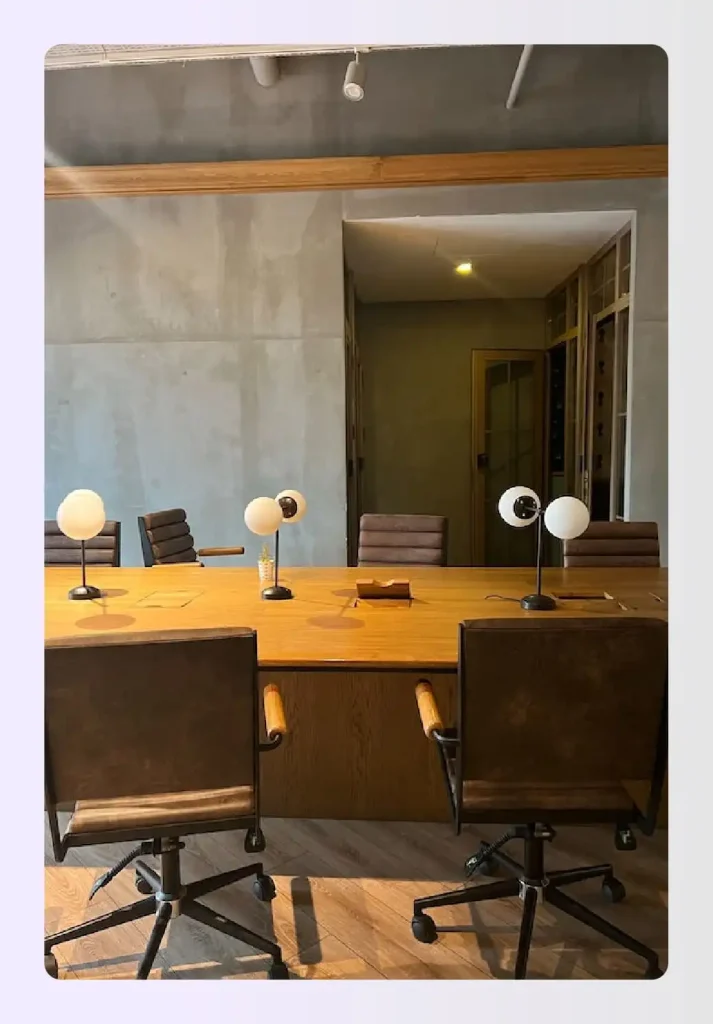
Step three: illuminate your space! Imagine buying an expensive ebony chest only to keep it in a dimly lit corner of your room. You want it to be the focal point, but it ends up being ignored. The ability to use lights can make or break the overall look of your functional interior design project.
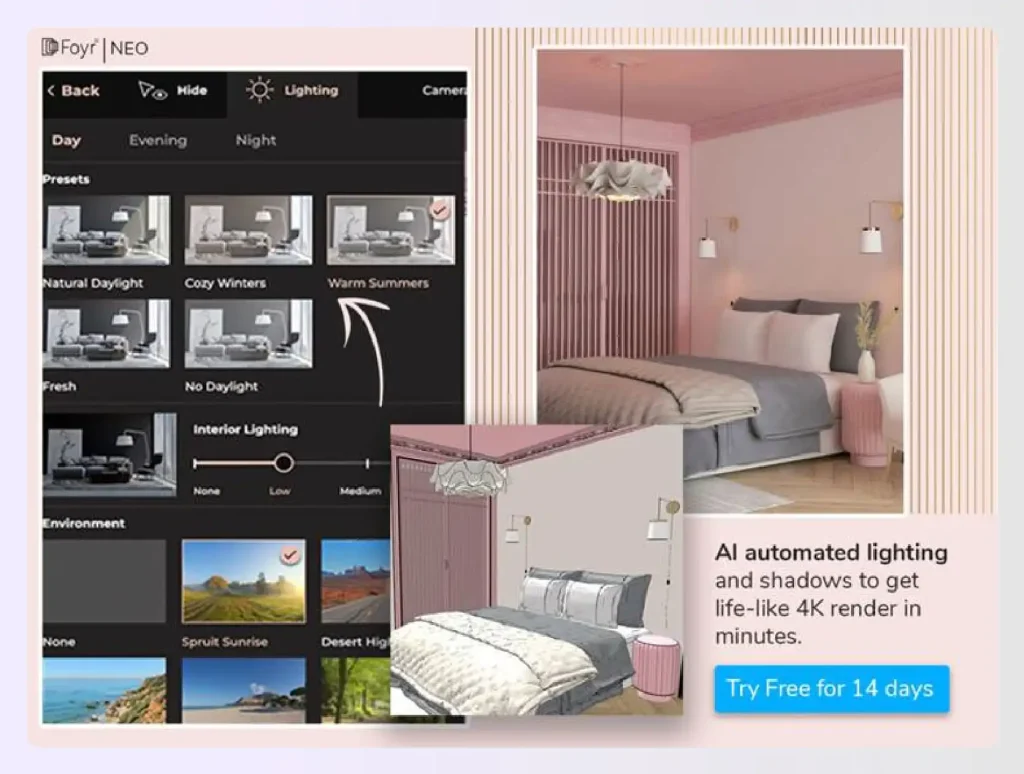
Lighting can be of two types: natural and artificial. Depending on the use, we can divide it into task lighting (for defined usage like ample prep space), accent lighting (for highlighting key elements like a coffee table), and mood lighting (for catering to the desired ambiance).
Daylight is as important as artificial lighting for a well-designed interior space. The latter is more flexible and can be adjusted based on the former. So, you will have to start by understanding how daylight impacts the given project and strike a balance by working the lighting fixtures around it. In most cases, designers use layered lighting to create a well-lit indoor space.
Also read: 15 Best Ways To Increase Natural Light In Your Home
Furniture Selection: Form Follows Function
Step four is all about the definition of form. One of the most important elements when answering how to execute functional interior design ideas is furniture. Achieving the right balance of function and ergonomics can help create a visually appealing space that caters to practicality, too.
Once you have the lighting and color sorted, the next thing to focus on is furniture. You need to remember that a functional space is one where you place your furniture in a way that allows movement. Following the path of architects like Frank Lloyd Wright, you must analyze how people would move in a given space.
Then, you have to plan furniture placement in a manner that lets each piece stand out without disturbing the overall harmony. A designer hack would be to start by placing furniture around focal points, such as a beautiful round dining table meant for casual meals. Also, invest in quality over quantity, perhaps choosing a sleek midcentury modern style piece or multi-purpose furniture that caters to your functional needs.
Decor with Purpose
Finally, step five! Designers are artists. So, to create a visually appealing functional interior design, you have to apply design thinking to incorporate decor with purpose. Start by asking how you want this space to look and feel.
Once you know the intention, the next step is to incorporate decor that seamlessly fits your idea and adds value. For example, you might find a sofa that comfortably takes up a corner of your living space, fitting your collective love language of ultimate relaxation.
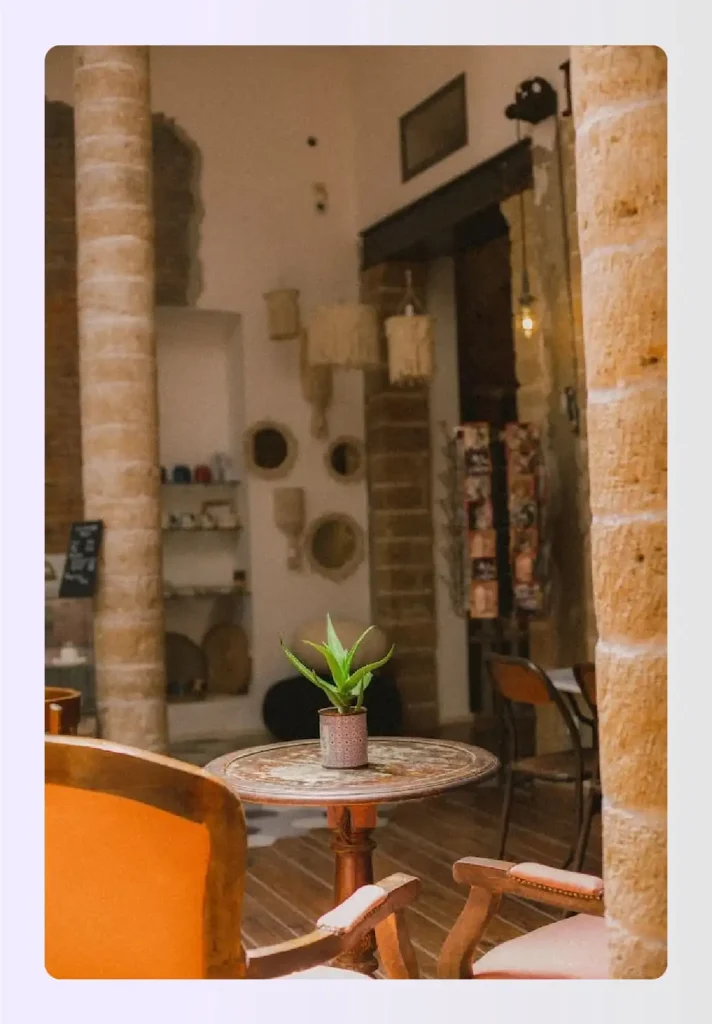
One of the vital elements that professionals often use is plants. Not only do plants elevate the overall feel by providing the much-needed contrast, but they also contribute to the health factor. For example, snake plants purify the air, look visually appealing, and add a pop of life.
Also, read – 27 Interior Design Tips and Secrets From The Pros
Key Principles of Functional Interiors
Grasping the basic principles of interior design empowers you to transform completely chaotic rooms into flawlessly streamlined, beautiful sanctuaries quickly.
- Mastering symmetrical balance ensures that your room feels wonderfully grounded and visually pleasing to everyone.
- Employing asymmetrical balance introduces relaxed intrigue while maintaining the necessary stability for your comfortable space.
- A smart radial balance centers attention efficiently, often utilized perfectly around a lovely dining table.
- Understanding key principles helps you seamlessly integrate cord covers without disrupting your stunning room aesthetics.
- These fundamental interior design principles guarantee that every element works together, preventing any single awkward placement.
Creative Functional Interior Design Ideas for Every Room
Exploring these brilliant functional interior design ideas helps you maximize utility, especially if you are living in much smaller homes.
- Kitchen: Transform your cooking area by incorporating pull-out pantries that save space effortlessly, alongside hidden charging stations that keep your favorite coffee mug safe and your essential daily gadgets fully powered.
- Living Room: Enhance your relaxation zone using nested tables that expand when guests arrive, plus brilliant storage ottomans that stylishly conceal blankets and magazines while providing extra, highly comfortable seating for everyone.
- Bedroom: Optimize your ultimate sleeping sanctuary with integrated headboard lighting for late-night reading, paired seamlessly with spacious under-bed storage drawers designed to keep your personal wardrobe organized and beautifully out of sight.
5 Commons Do’s and Don’ts for Functional and Aesthetic Interiors
Given the many interior design elements that come together, it is easy to get lost midway. So, here are five common do’s and don’ts for your functional and aesthetic design journey:
The Do’s
- Use accent pieces sparsely to give texture to your living space and draw attention.
- Use color schemes close to the color wheel to achieve harmony among your design elements.
- Learn design principles and use them to achieve the balance between functionality and aesthetics.
- Leave space around your furniture to maximize the walking space.
- Invest in quality accessories, such as tailored window treatments, for improved texture and comfort.
The Don’ts
- Don’t focus on matching everything. There is harmony in imbalance.
- Limit your color usage to four or five for maximum impact.
- Don’t forget to have ample seating space in your home office or living room.
- Don’t plan rooms in isolation. Instead, focus on total harmony and a seamless flow.
- Don’t overdo plants in your interior design.
Explore Functional Design Ideas for Your Home with Foyr
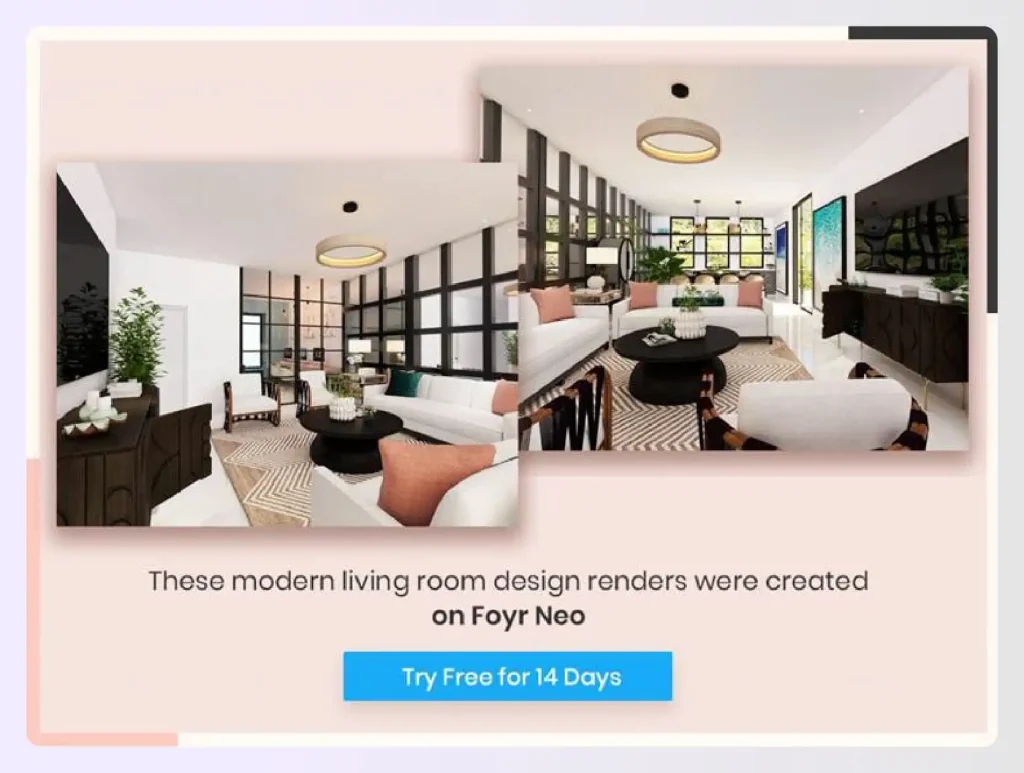
Foyr Neo is an intelligent interior design platform purpose-built for functional interior design. It offers AI-powered suggestions, drag-and-drop floor planning, and photorealistic 3D rendering, giving every interior designer and homeowner the tools to create beautiful, functional spaces effortlessly.
Here is how our interior design software streamlines your workflow:
- Drag-and-drop floor planning lets you test multiple functional interior design layouts in real time.
- Photorealistic 3D rendering helps you visualize how natural light and natural materials impact your final design.
- An extensive furniture and decor library lets you test functional and aesthetic design combinations instantly.
- AI-powered suggestions help you make smarter decisions about space planning, color palette, and layout.
- Real-time collaboration allows designers and clients to refine functional interior design ideas together seamlessly.
Ready to transform your space? Sign up for a 14-day free trial of Foyr Neo and start creating functional interior design ideas that perfectly blend beauty with purpose today.
FAQs
What is the importance of balancing functionality with aesthetics in interior design?
Aesthetics is an integral part of interior design. But it should not be at the cost of functionality. When you balance both, it allows you to maximize productivity without having to sacrifice comfort.
How do you ensure that a design is both beautiful and practical?
There is a lot of science in interior design. Also, it is an art in itself. An interior designer is an artist who has to carefully balance science and art to create a design that is practical and visually beautiful.
Can a small space be designed to be both functional and aesthetic?
Absolutely. Any space, if planned well, can be functional and aesthetic. For example, using multi-purpose furniture can let you optimize the space without sacrificing visual appeal.
What role does lighting play in achieving a functional and aesthetic interior?
Lighting can help derive a contrast that elevates the overall look and feel of the interior design. It can also help create focal points that allow onlookers to find it easier to focus on the right elements.
How do colors and textures influence the functionality and aesthetics of a room?
Colors and textures are for our eyes to enjoy when done right. If you miss that, you can end up creating an interior design space that feels unwelcoming. So, the right choice of colors and a mix of textures can significantly influence how your room looks and feels.
What are examples of functional home layouts?
Open-concept floor plans, modular kitchens with a dining room adjacent for casual meals, and bedrooms with built-in storage are classic examples. A well-placed dining table or coffee table can further define functional zones in any living space, including a compact dining room.
What furniture works best for functional interiors?
Multi-purpose furniture is the smart choice for any functional interior design project. Storage ottomans, extendable round dining tables, and modular sofas deliver added function without compromising visual appeal, the top expert advice for smaller homes and compact living spaces.
How can storage improve functional design?
Smart hidden storage is the collective love language of functional interior design. From under-bed storage bins to cord covers and pull-out pantries, it reduces clutter, enhances the space feel, and keeps your actual home looking clean, polished, and organized.
What is the difference between functional and decorative design?
Functional design ensures every element serves a practical purpose. Decorative design focuses on visual appeal and aesthetics in interior design. The best functional interior design strikes a balance where even cozy pillows and a piece of art contribute meaningfully to the room’s function and cohesive look.